
Introduction
If your goal is to build bigger, stronger arms, focusing on your triceps is essential. While biceps often get the spotlight, the triceps actually make up a larger portion of your upper arm. That’s where skull crushers come in a classic exercise known for delivering serious results when done correctly.
This guide breaks everything down in a practical, no-nonsense way. From proper technique to common mistakes and smart programming, you’ll learn how to use skull crushers effectively to build noticeable triceps size and strength.
BIO
| Exercise Name | Skull Crushers |
|---|---|
| Primary Muscle | Triceps |
| Difficulty Level | Beginner to Intermediate |
| Equipment Needed | Barbell, EZ-Bar, Dumbbells, Cable |
| Exercise Type | Isolation |
| Body Position | Lying on Bench |
| Main Benefit | Builds Bigger Triceps |
| Secondary Muscles | Shoulders, Forearms |
| Recommended Reps | 8–12 per set |
| Recommended Sets | 2–4 sets |
| Common Mistake | Flaring Elbows |
| Safety Tip | Use Controlled Movement |
What Are Skull Crushers?
Skull crushers, also known as lying triceps extensions, are an isolation exercise that targets the triceps by bending and extending the elbows while lying on a bench. The movement involves lowering a weight toward your forehead and pressing it back up.
Despite the intimidating name, the exercise is safe when performed with control and proper form. The name simply comes from the motion of bringing the weight close to your head.
What makes skull crushers stand out is their ability to isolate the triceps more directly than many compound exercises, allowing you to fully focus on arm development.
Benefits of Skull Crushers
One of the main reasons skull crushers are widely used is their effectiveness in building muscle mass. They directly target all three heads of the triceps, which is key for developing that full, rounded arm look.
Another major benefit is strength improvement. Strong triceps play a crucial role in pressing movements like bench presses and push-ups. When your triceps get stronger, your overall upper-body performance improves.
Skull crushers also help improve joint stability. By strengthening the muscles around the elbows and shoulders, they contribute to better control and reduced injury risk during workouts.
On top of that, they are highly versatile. You can perform them with barbells, dumbbells, cables, or resistance bands, making them accessible whether you train at home or in the gym.
Muscles Worked During Skull Crushers
The primary muscle targeted is the triceps brachii, which consists of three heads: long, lateral, and medial. Each head plays a role in extending the elbow, but the long head is especially emphasized during this movement due to the arm position.
The lateral head contributes to the visible outer shape of your arm, while the medial head supports overall strength and stability. Together, these muscles work to extend the elbow and control the movement.
Secondary muscles also come into play. The shoulders act as stabilizers, helping keep your upper arms in position, while your core supports overall body stability during the lift.
How to Do Skull Crushers Properly
Start by lying flat on a bench with a barbell or dumbbells held above your chest. Your arms should be straight, and your grip should feel comfortable and controlled.
Lower the weight slowly by bending your elbows, keeping your upper arms steady. The weight should move toward your forehead or slightly behind your head, depending on your flexibility.
Pause briefly at the bottom, then extend your elbows to return the weight to the starting position. Focus on controlled movement rather than speed.
Proper breathing matters as well. Inhale as you lower the weight and exhale as you push it back up.
Keeping your elbows stable is key. Letting them flare out reduces effectiveness and increases strain. Maintaining control throughout the movement helps maximize muscle engagement and reduces injury risk.
Common Mistakes to Avoid
One of the most common mistakes is using too much weight. This often leads to poor form and increased strain on the elbows.
Another mistake is flaring the elbows outward. This shifts tension away from the triceps and reduces the effectiveness of the exercise.
Many people also rush the movement, especially during the lowering phase. This not only reduces muscle activation but also increases the risk of injury.
Improper wrist positioning can also be an issue. Letting your wrists bend excessively can create unnecessary stress and reduce control.
Lastly, limited range of motion can hold back your results. Fully extending and lowering the weight ensures maximum muscle engagement.
Skull Crushers Variations
One of the strengths of skull crushers is how easily they can be adapted.
Using a barbell allows you to lift heavier weights and maintain consistent control. An EZ-bar is often more comfortable for the wrists and elbows.
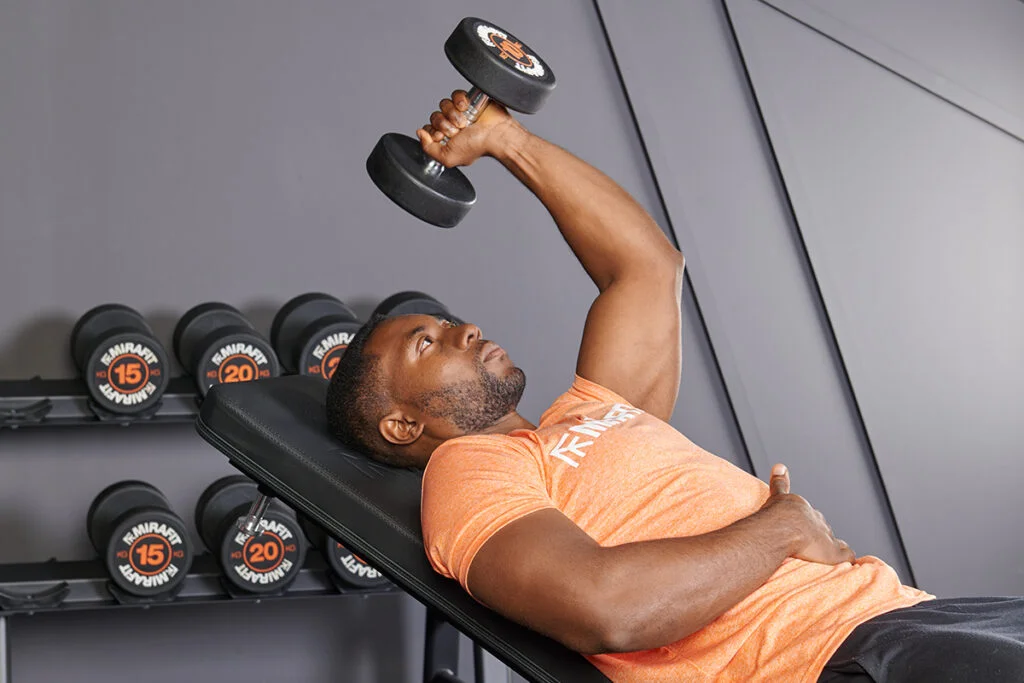
Dumbbell skull crushers allow for a greater range of motion and help correct muscle imbalances by working each arm independently.
Incline skull crushers shift the angle of the movement, placing more stretch on the triceps and increasing muscle activation.
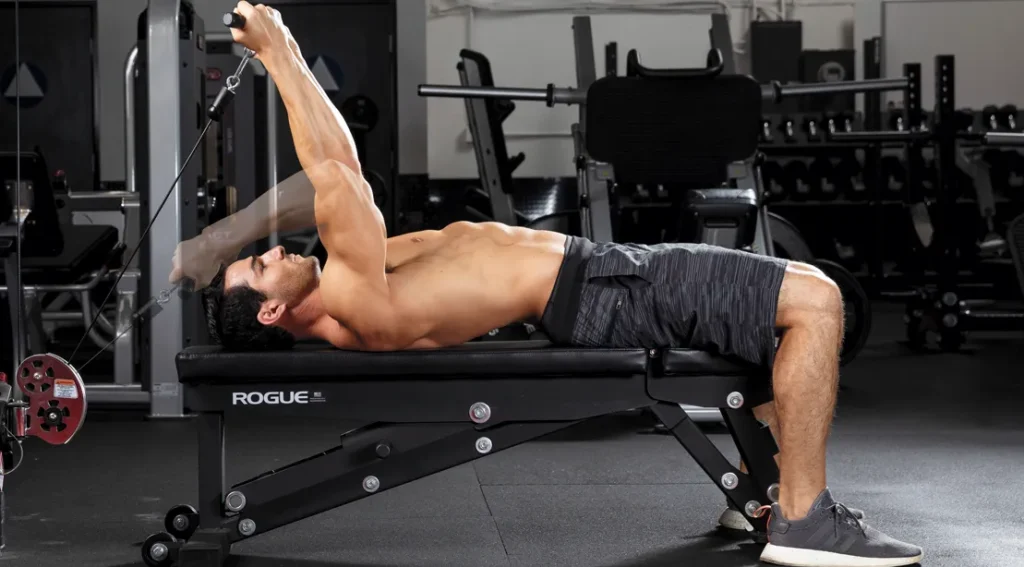
Cable skull crushers provide constant tension throughout the movement, which can be especially effective for muscle growth.
Each variation offers a slightly different stimulus, and rotating between them can help prevent plateaus.
Best Equipment for Skull Crushers
Choosing the right equipment depends on your experience level and comfort.
Barbells are great for building strength due to the ability to handle heavier loads. However, they may feel restrictive for some lifters.
EZ-bars are a popular choice because their angled grip reduces strain on the wrists and elbows, making them more comfortable for many people.
Dumbbells offer flexibility and allow for a more natural movement pattern. They are also ideal for beginners learning proper form.
Cables provide constant resistance, which can help maintain tension on the triceps throughout the entire range of motion.
Skull Crushers vs Other Triceps Exercises
Compared to compound exercises like dips or close-grip bench presses, skull crushers are more focused. They isolate the triceps, allowing for targeted muscle growth.
Pushdowns, on the other hand, are easier on the joints and allow for heavier loads, but they may not stretch the triceps as effectively.
Overhead extensions place the triceps in a stretched position, similar to skull crushers, but involve more shoulder movement.
Each exercise has its place. Skull crushers are particularly useful when you want to directly target the triceps and improve muscle definition.
How to Add Skull Crushers to Your Workout Routine
For beginners, starting with light weights and focusing on form is the best approach. Aim for 2–3 sets of 8–12 repetitions.
Intermediate lifters can increase volume and incorporate progressive overload by gradually increasing weight or reps.
Advanced lifters can use techniques like drop sets or supersets to increase intensity and push past plateaus.
Skull crushers are often best placed after compound movements in your workout, when your triceps are already warmed up.
Safety Tips and Injury Prevention
Safety should always come first when performing skull crushers.
Start with a manageable weight and focus on control. Sudden or jerky movements can increase the risk of injury.
Keep your elbows in a stable position and avoid excessive flaring. This helps protect your joints and maintain proper muscle engagement.
If you experience elbow discomfort, consider switching to an EZ-bar or dumbbells, which may reduce strain.
Using a spotter when lifting heavier weights can also provide an extra layer of safety.
Proper warm-up and stretching can further reduce the risk of injury and improve performance.
Tips to Maximize Triceps Growth
To get the most out of skull crushers, focus on the mind-muscle connection. Actively think about your triceps working during each repetition.
Control your tempo, especially during the lowering phase. Slow, controlled reps increase time under tension, which is important for muscle growth.
Consistency is key. Regular training combined with proper recovery will lead to better results over time.
Nutrition also plays a major role. Adequate protein intake supports muscle repair and growth, while overall calorie balance influences your progress.
Lastly, don’t rely on a single exercise. Combining skull crushers with other triceps movements creates a more balanced and effective routine.
Conclusion
Skull crushers remain one of the most effective exercises for building bigger triceps. Their ability to isolate the muscle, combined with their versatility, makes them a valuable addition to almost any workout routine.
When performed with proper form and consistency, they can significantly improve both the size and strength of your arms. Focus on control, avoid common mistakes, and gradually increase intensity over time.
With the right approach, skull crushers can become a key part of your journey toward stronger, more defined arms.
Dumbbell Flyes for Beginners: Build Your Chest the Smart Way
FAQs About Skull Crushers
1. Are skull crushers safe for beginners?
Yes, skull crushers are safe for beginners when performed with proper form and light weights. Starting slow and focusing on control helps reduce the risk of injury and builds a strong foundation for progression.
2. How often should I do skull crushers?
You can include skull crushers in your workout routine 2 to 3 times per week. This frequency allows enough stimulus for muscle growth while giving your triceps time to recover properly.
3. What weight should I start with for skull crushers?
Begin with a weight that allows you to perform 8–12 controlled repetitions without straining. It’s better to start lighter and gradually increase the load as your strength and confidence improve.
4. Why do my elbows hurt during skull crushers?
Elbow discomfort usually comes from poor form, excessive weight, or lack of warm-up. Keeping your elbows stable, using an EZ-bar or dumbbells, and reducing the weight can help minimize stress on the joints.
5. Can skull crushers alone build bigger triceps?
Skull crushers are highly effective, but relying on them alone may limit results. For the best growth, combine them with other triceps exercises and follow a balanced workout routine.