


Introduction
Walk into any gym, and you’ll see people chasing bigger chests, broader shoulders, and stronger arms. But there’s one area that often gets ignored the rear delts. This small muscle group at the back of your shoulders plays a huge role in posture, stability, and overall strength. When neglected, it can lead to imbalances, poor posture, and even shoulder discomfort.
That’s where cable face pulls come in. This simple yet powerful exercise is often overlooked, but it delivers impressive results when done correctly. It targets the muscles most people forget to train, helping you build balanced shoulders and a stronger upper back.
In this guide, you’ll learn everything you need to know about cable face pulls what they are, how they work, their benefits, proper technique, and how to include them in your routine for long-term results.
BIO
| Exercise Name | Cable Face Pulls |
|---|---|
| Main Target | Rear Delts |
| Secondary Muscles | Traps, Rhomboids, Rotator Cuff |
| Equipment | Cable Machine, Rope Attachment |
| Difficulty Level | Beginner to Intermediate |
| Primary Benefit | Improves Shoulder Strength |
| Posture Impact | Helps Correct Rounded Shoulders |
| Reps Range | 10–15 per set |
| Sets | 2–4 sets |
| Best Time to Do | End of Upper Body Workout |
| Alternative | Resistance Band Face Pull |
| Common Mistake | Using Too Much Weight |
| Key Tip | Keep Elbows High and Controlled Movement |
What Are Cable Face Pulls?
Cable face pulls are an upper-body pulling exercise performed using a cable machine and usually a rope attachment. The movement involves pulling the rope toward your face while keeping your elbows high and flared outward.
This motion may look simple, but it activates several important muscle groups. The primary focus is on the rear deltoids, but it also engages the upper back, including the trapezius and rhomboids. (Healthline)
Unlike many pulling exercises that focus on the lats or mid-back, cable face pulls emphasize the posterior shoulder the part responsible for balanced shoulder development and stability.Why Rear Delts Matter More Than You Think
Rear delts don’t get much attention because they’re not visible in the mirror. But their importance goes beyond aesthetics.
They help pull your shoulders back, stabilize your shoulder joints, and support almost every upper-body movement. Weak rear delts often lead to rounded shoulders and poor posture, especially for people who sit for long hours.
Cable face pulls directly address this issue by strengthening the muscles that keep your shoulders aligned and healthy.
Benefits of Cable Face Pulls
Builds Strong Rear Delts
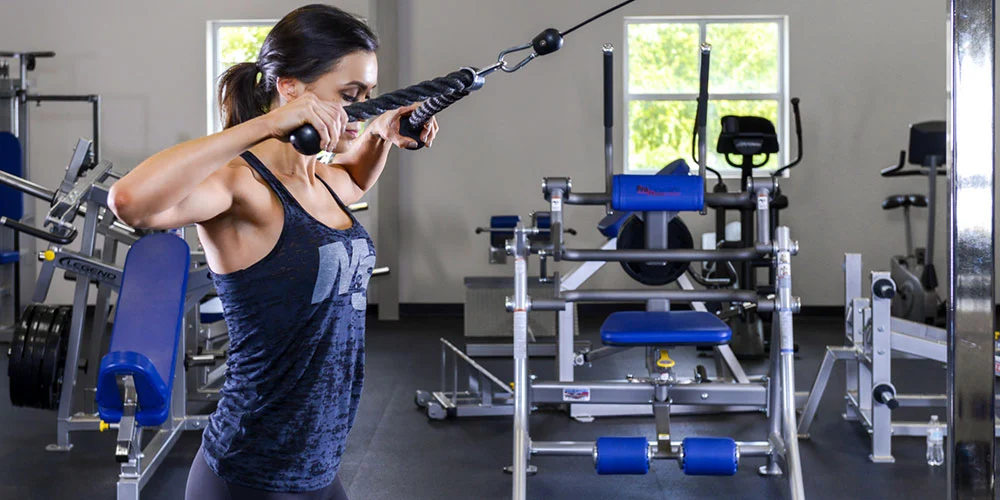
The primary benefit of cable face pulls is their ability to isolate and strengthen the rear deltoids. This muscle is responsible for pulling your arms backward and stabilizing shoulder movement.
Strong rear delts create a more balanced and complete shoulder appearance, especially when combined with front and side delt training.
Improves Posture
Modern lifestyles often lead to slouched shoulders and forward head posture. Cable face pulls help reverse this by strengthening the muscles that pull your shoulders back.
By regularly performing this exercise, you train your body to maintain a more upright and natural posture.
Enhances Shoulder Stability
Shoulder stability is crucial for both strength training and daily movement. Cable face pulls activate the rotator cuff and scapular stabilizers, improving control and reducing strain on the joints.
This makes the exercise especially useful for people who lift weights or perform overhead movements.
Reduces Risk of Injury
Many shoulder injuries are caused by muscle imbalances especially when the front of the body is stronger than the back.
Cable face pulls help correct these imbalances by strengthening the posterior muscles, which reduces stress on the shoulder joint and lowers the risk of injury.
Supports Overall Upper Body Strength
Although it’s not a heavy compound lift, cable face pulls improve performance in other exercises. A stronger upper back leads to better control during rows, presses, and even deadlifts.
How to Do Cable Face Pulls Properly
Step-by-Step Instructions
Start by attaching a rope handle to a cable machine set at about face height. Stand facing the machine with your feet shoulder-width apart and your core engaged.
Grab the rope with both hands using a neutral grip. Step back slightly to create tension in the cable.
Pull the rope toward your face while keeping your elbows high and flared outward. Focus on squeezing your shoulder blades together at the end of the movement.
Slowly return to the starting position while maintaining control.
Form Tips That Make a Difference
Good form is what separates effective reps from wasted effort.
Keep your chest up and your core tight throughout the movement. Avoid leaning back or using momentum to pull the weight.
Focus on pulling with your elbows, not your hands. This helps activate the rear delts more effectively.
At the end of each rep, pause briefly and squeeze your shoulder blades together for maximum engagement.
Common Mistakes to Avoid
Even though cable face pulls look simple, small mistakes can reduce their effectiveness.
Using too much weight is one of the most common errors. When the weight is too heavy, people tend to lean back or use momentum, which shifts the focus away from the target muscles.
Another mistake is dropping the elbows. Keeping your elbows high ensures that the rear delts remain the primary muscle involved.
Poor posture during the movement can also limit results. Always keep your spine neutral and avoid rounding your shoulders.
Finally, rushing through reps reduces muscle activation. Controlled movement is key to getting the most out of this exercise.
Best Variations of Cable Face Pulls
Rope Attachment Face Pull
This is the standard and most effective variation. The rope allows for a greater range of motion and better muscle activation.
Single-Arm Face Pull
This variation helps identify and correct muscle imbalances. It also improves coordination and control.
High-to-Low Face Pull
Changing the angle slightly shifts the emphasis on different parts of the upper back, adding variety to your routine.
Resistance Band Face Pull
If you don’t have access to a cable machine, resistance bands are a good alternative. While they may not provide the same level of resistance, they still effectively target the same muscles.
How to Add Cable Face Pulls to Your Workout
For Beginners
Start with light weight and focus on mastering the movement. Aim for 2–3 sets of 10–15 reps.
For Muscle Growth
If your goal is hypertrophy, perform 3–4 sets of 12–15 reps with controlled tempo. Focus on squeezing the muscles rather than lifting heavy.
For Strength and Stability
Use moderate weight and include cable face pulls at the end of your workout. This helps reinforce proper movement patterns and muscle activation.
Cable Face Pulls vs Other Shoulder Exercises
Many shoulder exercises focus on pushing or lifting, such as overhead presses and front raises. While these are effective, they often neglect the rear delts.
Cable face pulls stand out because they specifically target the posterior shoulder and upper back. Compared to rear delt flyes, they also engage stabilizing muscles, making them more functional.
Unlike rows, which primarily target the lats and mid-back, cable face pulls emphasize shoulder health and posture.
Who Should Do Cable Face Pulls?
This exercise is suitable for almost everyone.
Beginners can use it to build a strong foundation and learn proper movement patterns.
Office workers can benefit from improved posture and reduced shoulder tension.
Athletes can enhance performance by improving shoulder stability and strength.
Anyone experiencing shoulder discomfort due to imbalances may also find this exercise helpful.
Pro Tips to Maximize Results
Focus on quality over quantity. It’s better to perform fewer reps with proper form than to rush through heavy sets.
Use a controlled tempo pull slowly, pause at the top, and return under control.
Stay consistent. Like any exercise, results come with regular practice.
Include it in your routine at least two to three times per week for noticeable improvements.
Conclusion
Cable face pulls may not be the most glamorous exercise in your routine, but they are one of the most effective for building strong, balanced shoulders.
By targeting the often-neglected rear delts and upper back muscles, this simple movement helps improve posture, enhance stability, and reduce the risk of injury.
If you’re serious about long-term strength and shoulder health, adding cable face pulls to your workout is a smart and practical decision.
The Complete Guide to Skull Crushers for Bigger Triceps
FAQs
How often should I do cable face pulls?
You can perform cable face pulls two to three times per week. They work well as part of your upper body routine or at the end of workouts to improve shoulder balance and posture.
What weight should I use for cable face pulls?
Start with a light to moderate weight that allows you to control the movement fully. The goal is proper form and muscle engagement, not lifting heavy.
Are cable face pulls good for shoulder pain?
Yes, they can help reduce shoulder discomfort by strengthening the rear delts and stabilizing muscles. However, if you have an injury, it’s best to consult a professional before starting.
Can beginners do cable face pulls?
Absolutely. Cable face pulls are beginner-friendly and easy to learn. Focus on technique first, then gradually increase resistance as your strength improves.
Can I do cable face pulls at home?
Yes, you can use resistance bands as an alternative. While the resistance may differ slightly, the movement and benefits remain similar.