
Introduction
Building a strong, well-shaped chest doesn’t always require complicated routines or heavy lifting. Sometimes, a simple movement done correctly can make a noticeable difference. That’s where dumbbell flyes come in.
This exercise has been a staple in chest workouts for years, especially for beginners who want to understand how their muscles work and improve overall control. Unlike heavy pressing exercises, dumbbell flyes focus on movement quality, stretch, and muscle engagement.
In this guide, you’ll learn how to perform dumbbell flyes correctly, why they matter, and how to use them effectively to build your chest the smart way.
BIO
| Exercise Name | Dumbbell Flyes |
|---|---|
| Category | Strength Training |
| Target Muscle | Chest (Pectoralis Major) |
| Secondary Muscles | Shoulders, Stabilizers |
| Difficulty Level | Beginner-Friendly |
| Equipment Needed | Dumbbells, Bench (optional) |
| Workout Type | Isolation Exercise |
| Recommended Sets | 2–3 Sets |
| Recommended Reps | 10–15 Reps |
| Best Time to Perform | After Compound Exercises |
| Training Frequency | 1–2 Times Per Week |
| Key Benefit | Improves Chest Shape & Stretch |
| Common Mistake | Using Too Much Weight |
What Are Dumbbell Flyes?
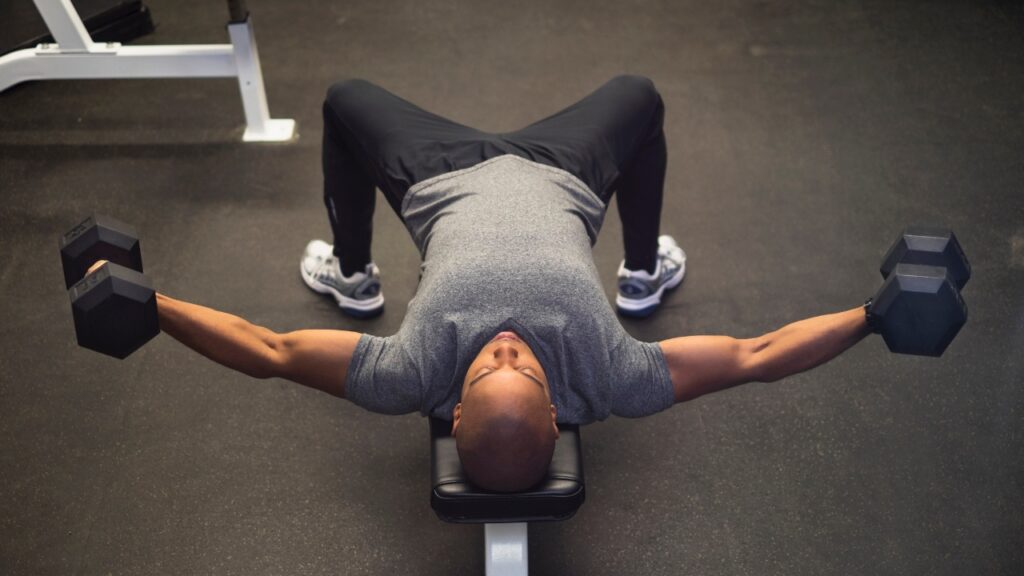
Dumbbell flyes are a chest-focused isolation exercise performed with a pair of dumbbells, usually on a flat or inclined bench. The movement involves lowering the arms in a wide arc and bringing them back together above the chest.
This exercise primarily targets the pectoralis major, the main chest muscle responsible for bringing your arms toward the center of your body.
Unlike compound exercises such as the bench press, dumbbell flyes minimize the involvement of other muscles. This allows the chest to do most of the work, making it ideal for beginners trying to build a strong mind-muscle connection.
Why Dumbbell Flyes Are Great for Beginners
Starting your fitness journey can feel overwhelming, especially when you’re unsure which exercises actually deliver results. Dumbbell flyes are beginner-friendly because they are simple, effective, and easy to learn.
One of the biggest advantages is how clearly you can feel your chest working during the movement. This helps beginners understand proper muscle activation, which is often missing in heavy compound lifts.
They also allow for a deep stretch at the bottom of the movement. This stretch plays an important role in muscle growth because it activates more muscle fibers throughout the exercise.
Another benefit is balance. Since each arm works independently, dumbbell flyes help correct muscle imbalances and improve symmetry over time.
Muscles Worked During Dumbbell Flyes
Understanding what muscles are involved helps you perform the exercise better and avoid common mistakes.
The primary muscle targeted is the chest, specifically the pectoralis major. This muscle is responsible for the inward movement of your arms during the exercise.
Secondary muscles include the front shoulders (anterior deltoids) and stabilizing muscles such as the serratus anterior and parts of the upper back.
Because dumbbell flyes limit elbow movement, they reduce the role of the triceps compared to pressing exercises. This makes them more focused and controlled, which is ideal for beginners learning proper form.
Benefits of Dumbbell Flyes
One of the main reasons dumbbell flyes remain popular is their ability to isolate the chest and improve muscle definition.
They enhance your range of motion by allowing your arms to move freely in a natural arc. This improves shoulder flexibility and reduces stiffness over time.
Another key benefit is muscle development. The combination of stretch and contraction helps stimulate growth and improve chest shape.
They also contribute to injury prevention. Strong chest muscles support shoulder movements, which can reduce the risk of strain during other exercises.
Overall, dumbbell flyes are not just about aesthetics they also improve strength, control, and movement quality.
How to Do Dumbbell Flyes Correctly
Proper form is everything when it comes to dumbbell flyes. Doing them incorrectly can shift tension away from your chest and increase the risk of injury.
Start by lying flat on a bench with a dumbbell in each hand. Keep your feet firmly planted on the ground and your back stable.
Hold the dumbbells above your chest with a slight bend in your elbows. This is your starting position.
Lower the dumbbells slowly in a wide arc. Keep your elbows slightly bent and fixed throughout the movement. The goal is to feel a stretch in your chest, not strain in your shoulders.
Once you reach the bottom position, bring the dumbbells back up using your chest muscles. Avoid turning the movement into a press.
Breathing also matters. Inhale as you lower the weights and exhale as you bring them back up.
Maintaining control throughout the movement is more important than lifting heavy weights.
Common Mistakes Beginners Should Avoid
Many beginners struggle with dumbbell flyes because they rush through the movement or use too much weight.
One common mistake is lowering the dumbbells too far. This can put unnecessary stress on the shoulder joints.
Another issue is locking the elbows. This shifts tension away from the chest and reduces effectiveness.
Some people also turn the exercise into a pressing motion, which defeats its purpose as an isolation movement.
Using heavy weights too soon is another problem. Dumbbell flyes are not about lifting heavy they’re about controlled movement and muscle engagement.
Tips to Get Better Results
To get the most out of dumbbell flyes, focus on quality over quantity. Slow, controlled reps will always deliver better results than fast, sloppy ones.
Keep tension on your chest throughout the movement. Avoid letting the dumbbells rest or touch at the top.
Use a weight that allows you to maintain proper form. If your shoulders feel more involved than your chest, it’s a sign to reduce the weight.
Consistency is also key. Performing dumbbell flyes regularly will help you build strength and improve technique over time.
Dumbbell Fly Variations
Once you’re comfortable with the basic movement, you can explore different variations to target your chest from different angles.
Flat bench flyes focus on overall chest development and are ideal for beginners.
Incline flyes shift more emphasis to the upper chest, helping create a fuller look.
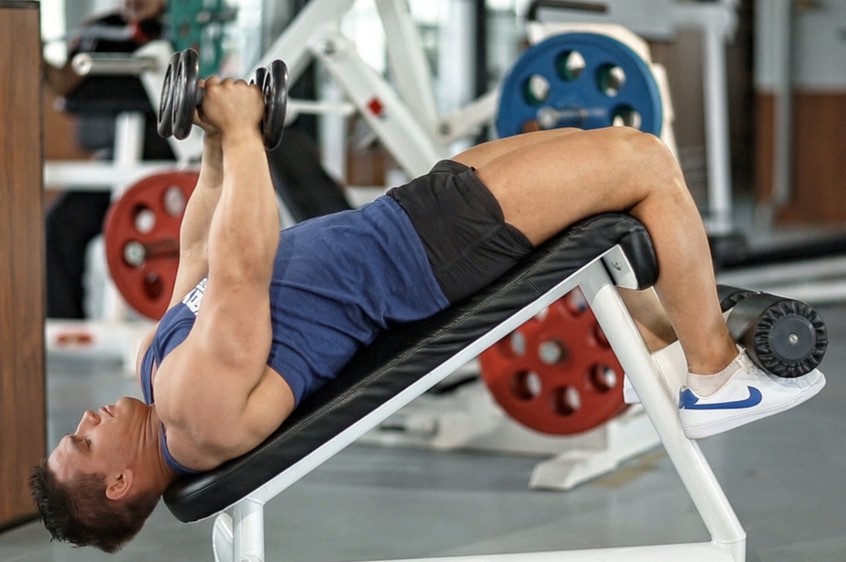
Decline flyes target the lower chest and add variety to your routine.
Floor flyes are a great option for home workouts. They limit the range of motion slightly, making them safer for beginners.
Each variation offers unique benefits, but the core movement remains the same.
How to Add Dumbbell Flyes to Your Routine
Dumbbell flyes work best as a supporting exercise rather than the main lift.
For beginners, performing 2 to 3 sets of 10 to 15 reps is a good starting point. This allows you to focus on form while still challenging your muscles.
They are usually performed after compound exercises like bench presses or push-ups. This ensures your chest is already activated and ready for isolation work.
Training your chest one to two times per week is enough for steady progress. Over time, you can adjust volume and intensity based on your goals.
Dumbbell Flyes vs Other Chest Exercises
Dumbbell flyes are often compared to exercises like the bench press or push-ups. While all of them target the chest, they serve different purposes.
The bench press is a compound movement that builds overall strength and involves multiple muscle groups.
Push-ups are functional and convenient but may not provide the same level of isolation.
Dumbbell flyes, on the other hand, focus specifically on the chest. They are ideal for improving muscle definition and enhancing the stretch and contraction of the chest muscles.
Research comparing these exercises shows that flyes emphasize chest activation while reducing involvement from other muscles.
Safety Tips for Beginners
Safety should always come first, especially when learning a new exercise.
Start with light weights and focus on mastering the movement. This reduces the risk of injury and builds confidence.
Always warm up your shoulders and chest before starting your workout.
Avoid going too deep if you feel discomfort in your shoulders. Everyone’s range of motion is different, so listen to your body.
If something feels wrong, stop and adjust your form rather than pushing through pain.
Conclusion
Dumbbell flyes are one of the simplest yet most effective exercises for building your chest, especially if you’re just starting out.
They teach control, improve muscle awareness, and help you develop a balanced and well-defined chest. By focusing on proper form, staying consistent, and avoiding common mistakes, you can make steady progress without unnecessary strain.
In the end, it’s not about lifting the heaviest weights it’s about moving with purpose and building strength the smart way.
Morning Lower Back Stretches to Start Your Day Without Pain
FAQs
1. Are dumbbell flyes good for beginners?
Yes, dumbbell flyes are suitable for beginners because they are simple to learn and help you focus on chest muscle activation. Starting with light weights allows you to build proper form and confidence.
2. How heavy should dumbbells be for flyes?
Beginners should choose a light to moderate weight that allows full control throughout the movement. The focus should be on technique rather than lifting heavy.
3. Can I do dumbbell flyes at home?
Absolutely. You can perform dumbbell flyes at home using a bench or even on the floor. Floor flyes are a safer option for beginners with limited equipment.
4. How often should I include dumbbell flyes in my routine?
You can include dumbbell flyes 1 to 2 times per week as part of your chest workout. Consistency matters more than frequency when building strength and muscle.
5. Why do I feel dumbbell flyes in my shoulders instead of my chest?
This usually happens due to improper form or using weights that are too heavy. Focus on a slight bend in your elbows and controlled movement to shift tension back to your chest.