
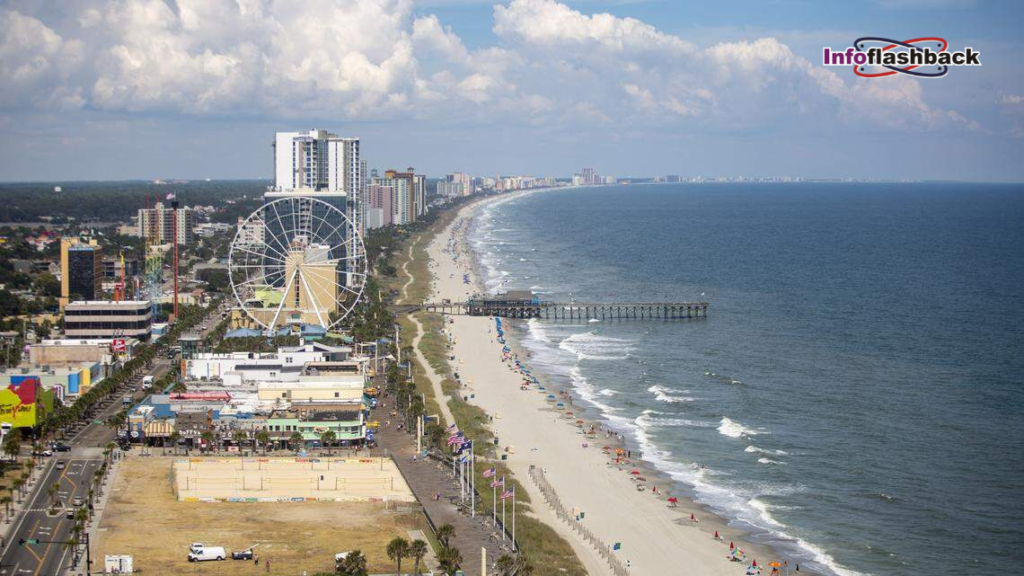

Understanding myrtle beach weather is one of the most important parts of planning a trip to this popular coastal city in South Carolina. While many people think of Myrtle Beach as a simple summer destination, the truth is more layered. Each season brings its own temperatures, rainfall patterns, and travel experience.
This guide explains Myrtle Beach weather in every season, using real climate patterns and practical details. Whether you are planning a family vacation, a quiet winter escape, or a beach-heavy summer trip, knowing what the weather is really like helps you make better decisions.
Overview of Myrtle Beach Climate
Myrtle Beach has a humid subtropical climate, which is common along the southeastern coast of the United States. This means hot, humid summers and mild winters with very little snow.
The Atlantic Ocean plays a major role in shaping local weather. Water temperatures help moderate extremes, keeping winters warmer than inland areas and summers slightly cooler near the shore.
Average yearly temperatures range from the low 40s Fahrenheit in winter nights to the upper 80s and low 90s in summer days. Humidity is present year round, but it becomes more noticeable from late spring through early fall.
Rain is spread fairly evenly across the year, although summer thunderstorms and late-season tropical systems bring heavier rainfall during certain months.
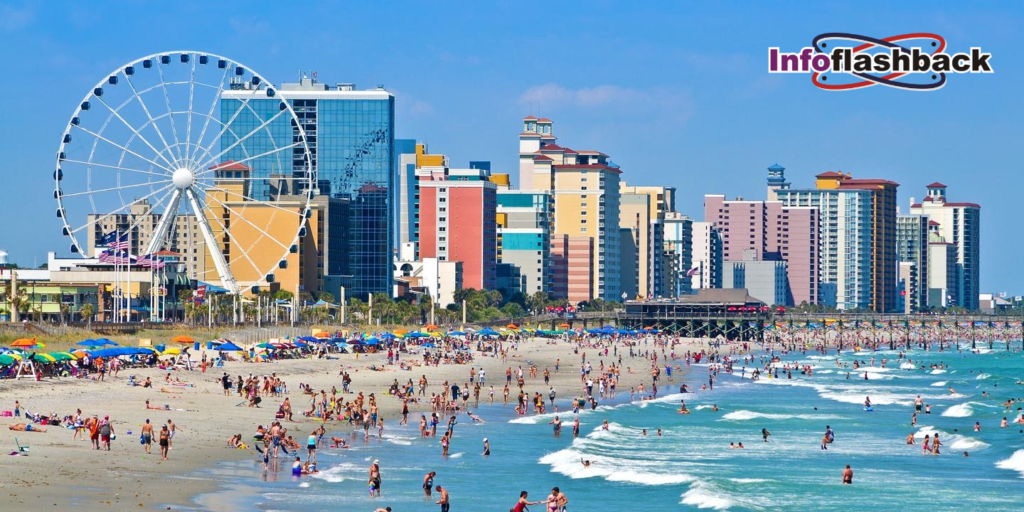
Spring Weather in Myrtle Beach
Temperatures in Spring
Spring in Myrtle Beach usually runs from March through May. During this time, daytime temperatures slowly rise from the low 60s into the mid 70s.
March often feels cool in the mornings and evenings, while May begins to feel warm and closer to early summer. Nights remain comfortable, making spring one of the most pleasant seasons for walking and outdoor dining.
Rain and Humidity
Rainfall in spring is moderate and steady. You can expect occasional rain showers, but long rainy periods are uncommon. Humidity stays relatively low compared to summer, which makes spring feel fresh and comfortable.
Travel Experience in Spring
Spring is considered a shoulder season. Crowds are smaller than summer, hotel prices are more reasonable, and outdoor activities are easy to enjoy. Many travelers consider this one of the best times to experience Myrtle Beach weather at its most balanced.
Summer Weather in Myrtle Beach
Summer Temperatures
Summer is the hottest season, lasting from June through August. Daytime temperatures often reach the upper 80s and low 90s, with high humidity pushing the heat index even higher.
Evenings remain warm, and overnight temperatures rarely drop below the low 70s.
Humidity and Heat
Humidity is a defining feature of summer. The combination of heat and moisture can make the air feel heavy, especially in July and August. Beach breezes help near the shoreline, but inland areas can feel much warmer.
Rain and Thunderstorms
Summer is the wettest season. Afternoon thunderstorms are common and often short-lived. These storms cool the air temporarily and rarely last more than an hour.
Peak Tourism Season
This is the busiest time of year. Families, school vacations, and beachgoers fill hotels and beaches. If you enjoy lively energy and long beach days, summer Myrtle Beach weather fits that style well.
Fall Weather in Myrtle Beach
Cooling Temperatures
Fall arrives slowly from September through November. Early September still feels like summer, but by October temperatures drop into the 70s during the day and 50s at night.
November brings cooler air, with daytime highs in the 60s and crisp evenings.
Rain and Storm Risk
Early fall overlaps with the Atlantic hurricane season. While direct hurricane hits are rare, tropical systems can bring heavy rain and strong winds in September.
By October and November, rainfall decreases and weather becomes more stable.
Why Fall Is Popular
Many experienced travelers consider fall the best season for Myrtle Beach weather. The ocean remains warm, crowds thin out, and temperatures are ideal for outdoor activities without summer heat.
Winter Weather in Myrtle Beach
Winter Temperatures
Winter lasts from December through February. Daytime temperatures usually range from the low 50s to low 60s, while nights fall into the 30s and 40s.
Freezing temperatures happen occasionally but rarely last long.
Snow and Ice
Snow is rare. Most winters pass with no measurable snowfall. When snow does occur, it is light and melts quickly.
Winter Travel Experience
Winter is the quietest season. Many attractions stay open, but beach activity slows. This is a good time for travelers who prefer calm surroundings, lower prices, and mild winter weather.
Month by Month Weather Summary
January and February
Cool and quiet. Best for budget travelers and peaceful stays.
March and April
Gradual warming. Excellent for outdoor activities and sightseeing.
May
Warm and comfortable. A favorite month for first-time visitors.
June and July
Hot and humid. Peak beach season with frequent thunderstorms.
August
Still hot, with higher storm chances late in the month.
September
Warm ocean, fewer crowds, early fall storms possible.
October
Mild, dry, and very pleasant.
November
Cooler and calm. Good for short trips and festivals.
December
Mild winter weather with holiday events and light crowds.
Rain, Storms, and Hurricane Season
Hurricane season officially runs from June through November, with peak activity in August and September.
Direct impacts on Myrtle Beach are uncommon, but tropical systems can cause heavy rain, high surf, and temporary travel disruptions.
Most storms pass offshore, and modern forecasting allows visitors to plan around weather risks effectively.
Best Time to Visit Based on Weather
For Beach Lovers
June and July offer the warmest water and longest beach days.
For Mild Weather Seekers
April, May, and October provide ideal temperatures and low humidity.
For Budget Travelers
January, February, and early December offer the lowest prices and quiet surroundings.
For Families
Late May and early June balance good weather with fewer crowds than peak summer.
How Weather Affects Activities
Beach and Swimming
Best from May through October, when water temperatures are warm.
Golf and Outdoor Sports
Spring and fall offer the most comfortable conditions.
Festivals and Events
Most outdoor events are scheduled in spring and fall to avoid extreme heat.
Fishing and Boating
Year round opportunities, with calmer seas in late spring and early fall.
Packing Tips for Each Season
Spring Packing
Light jackets, comfortable walking shoes, and layers for cool evenings.
Summer Packing
Breathable clothing, sunscreen, hats, and rain protection.
Fall Packing
Light sweaters, long sleeves, and flexible layers.
Winter Packing
Warm jackets for evenings, but lighter clothes for daytime.
Common Weather Myths About Myrtle Beach
One common myth is that Myrtle Beach is hot all year. In reality, winters are mild but cool, and summers are hot but seasonal.
Another myth is that hurricanes frequently strike the area. In truth, major hurricane impacts are rare.
Some believe rain ruins summer travel, but most storms are brief and predictable.
Conclusion
Myrtle beach weather changes steadily throughout the year, shaping the travel experience in meaningful ways. From warm, busy summers to calm, mild winters, each season offers something different.
Understanding these seasonal patterns helps travelers choose the right time, pack properly, and enjoy their stay more fully. Whether you visit for beaches, golf, festivals, or quiet coastal walks, knowing what the weather brings makes every trip better.
you may also read : What Time Is It in Rome, Italy When You’re Planning a Trip
Frequently Asked Questions
Is Myrtle Beach weather warm all year round?
Myrtle Beach has mild winters and hot summers, but it is not warm all year. Winter days often stay in the 50s and 60s, while summer temperatures regularly reach the upper 80s and 90s.
When is the best month to visit Myrtle Beach for good weather?
May and October are often considered the best months. During these times, temperatures are comfortable, humidity is lower, and crowds are smaller than in peak summer.
Does Myrtle Beach get hurricanes often?
Direct hurricane hits are rare. Most tropical storms pass offshore or weaken before reaching the coast. Still, late summer and early fall can bring heavy rain and strong winds.
What is the coldest month in Myrtle Beach?
January is usually the coldest month. Daytime temperatures average in the low 50s, with nights sometimes dropping into the upper 30s.
Is summer rain a problem for tourists?
Not usually. Most summer rain comes from short afternoon thunderstorms that clear quickly. These rarely affect full-day travel plans.