
Introduction
Shoulder pain, poor posture, and weak upper back muscles are more common than ever especially with long hours spent sitting. If you’ve been searching for a simple yet effective exercise to fix these issues, y raises might be exactly what you need.
This underrated movement is widely used by athletes, physical therapists, and fitness experts to improve shoulder health and stability. But are y raises really worth your time?
In this guide, you’ll learn what y raises are, the muscles they target, their real benefits, proper form, common mistakes, and expert tips to get the best results.
BIO
| Label | Information |
|---|---|
| Exercise Name | Y Raises |
| Type | Shoulder / Upper back exercise |
| Main Purpose | Improve posture and shoulder stability |
| Primary Muscles | Lower traps, rear delts |
| Secondary Muscles | Rotator cuff, upper back |
| Equipment Needed | Dumbbells, bands, or cable |
| Difficulty Level | Beginner to intermediate |
| Best For | Posture correction and rehab |
| Movement Style | Slow and controlled |
| Common Setting | Incline bench or standing |
| Key Benefit | Reduces shoulder pain risk |
| Recommended Reps | 10–15 reps per set |
| Training Frequency | 2–3 times per week |
What Is Y Raises?
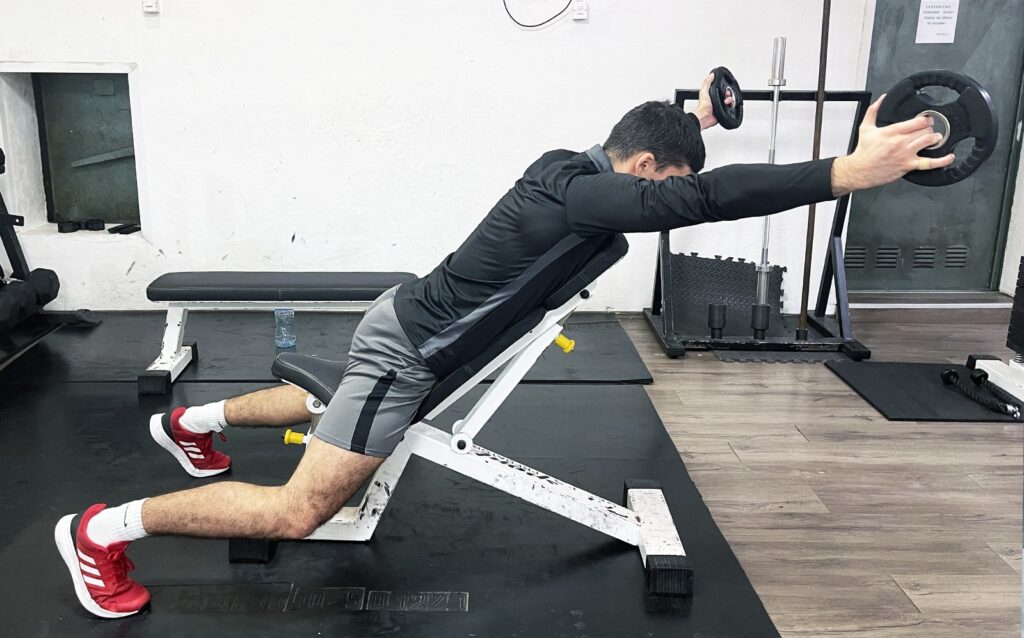
Y raises are a shoulder and upper-back exercise where you lift your arms in a “Y” shape, typically while lying on an incline bench or standing with light weights or resistance bands.
The goal is not heavy lifting but controlled movement and muscle activation, especially in the smaller stabilizing muscles of the shoulders.
Muscles Worked in Y Raises
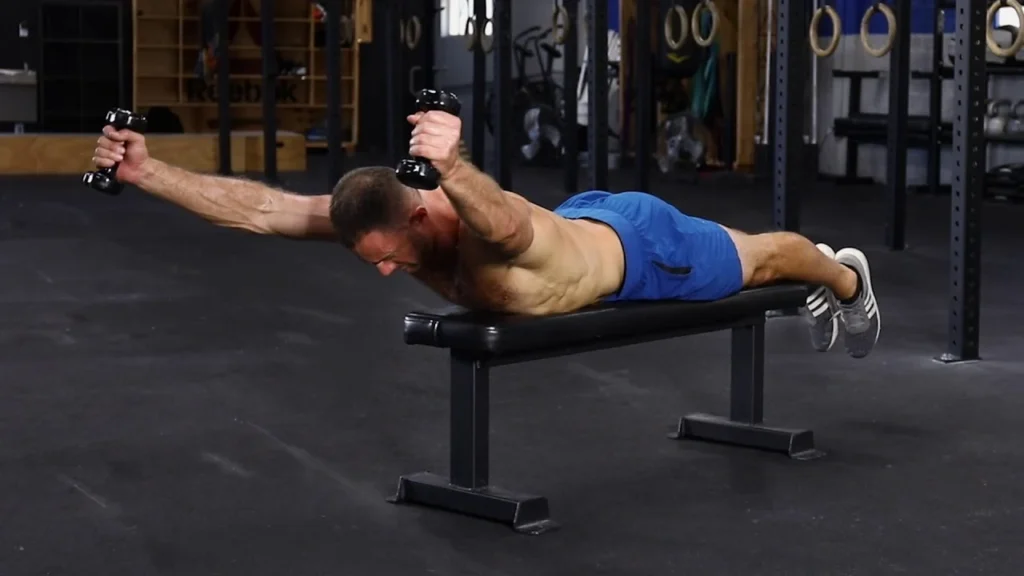
Y raises primarily target:
- Lower trapezius (key for posture and shoulder stability)
- Rear deltoids (back of the shoulders)
They also engage:
- Rotator cuff muscles
- Rhomboids and upper back muscles
These muscles are essential for maintaining healthy shoulder function and preventing injuries. If you want a deeper understanding of shoulder anatomy, you can explore this detailed resource:
Are Y Raises Worth It?
Key Benefits of Y Raises
1. Improves shoulder stability
Y raises strengthen the smaller stabilizer muscles that are often neglected. This helps keep your shoulders strong and balanced.
2. Enhances posture
If you spend hours sitting, your shoulders may round forward. Y raises help pull your posture back into alignment.
3. Reduces injury risk
By strengthening the rotator cuff and upper back, y raises can lower your chances of shoulder injuries.
4. Activates hard-to-target muscles
Many common exercises miss the lower traps. Y raises directly engage them, improving overall shoulder function.
5. Supports rehabilitation
They are frequently used in rehab programs because they are low-impact yet highly effective.
Who Should Do Y Raises?
Y raises are beneficial for:
- Beginners looking to build a strong foundation
- Office workers dealing with poor posture
- Athletes needing shoulder stability
- Anyone recovering from minor shoulder issues
How to Do Y Raises Correctly
Proper form is everything when it comes to y raises. Since this is a precision-based exercise, doing it wrong reduces effectiveness.
Step-by-Step Guide
1. Set your position
- Lie face down on an incline bench or stand with a slight forward lean
- Hold light dumbbells or use no weight at all
2. Form the “Y” shape
- Extend your arms overhead at about a 30–45° angle
- Thumbs should point upward
3. Lift with control
- Raise your arms slowly until they align with your body
- Focus on squeezing your shoulder blades together
4. Lower slowly
- Bring your arms down in a controlled motion
- Avoid dropping the weights
5. Breathing
- Exhale while lifting
- Inhale while lowering
Key Form Tips
- Keep your shoulders down (avoid shrugging)
- Use light weights to maintain control
- Engage your core to stabilize your body
- Move slowly to maximize muscle activation
Y Raises Variations You Should Try
Adding variations can keep your workouts effective and interesting.
Dumbbell Y Raises
- Great for home workouts
- Easy to control and adjust weight
Incline Bench Y Raises
- Best for isolating the upper back
- Reduces cheating or momentum
Resistance Band Y Raises
- Ideal for beginners
- Provides smooth, controlled tension
Cable Y Raises
- Maintains constant resistance
- Suitable for advanced lifters
Common Mistakes to Avoid
Using Too Much Weight
This is one of the biggest mistakes. Y raises are not meant for heavy lifting.
Lighter weights = better results
Shrugging the Shoulders
If your shoulders move toward your ears, you’re using the wrong muscles. Keep them relaxed and down.
Rushing the Movement
Fast reps reduce muscle activation. Focus on slow and controlled motion.
Poor Body Position
Arching your back or swinging your arms reduces effectiveness and increases injury risk.
Tips to Get the Best Results from Y Raises
Focus on Mind-Muscle Connection
Instead of just moving your arms, think about engaging your upper back and shoulder muscles.
Start Light and Progress Gradually
Even experienced lifters often use very light weights for y raises. Start small and increase slowly.
Add Y Raises to Your Routine
You can include y raises as:
- A warm-up exercise
- A corrective movement
- An accessory exercise on upper body days
Maintain Consistency
Like any exercise, results come with regular practice. Aim for 2–3 times per week.
Y Raises vs Other Shoulder Exercises
Y Raises vs Lateral Raises
- Y raises target the upper back and stabilizers
- Lateral raises focus more on the side delts
Both are useful but serve different purposes.
Y Raises vs Face Pulls
- Y raises are more focused and controlled
- Face pulls allow heavier resistance and broader muscle engagement
For best results, include both in your routine.
When Should You Avoid Y Raises?
Injury Considerations
Avoid or modify y raises if you have:
- Severe shoulder pain
- Recent injuries without medical clearance
Warning Signs
Stop immediately if you feel:
- Sharp pain
- Pinching in the shoulder joint
Mild muscle fatigue is normal but pain is not.
Cable Face Pulls: A Simple Move That Builds Powerful Rear Delts
FAQs About Y Raises
Are y raises good for beginners?
Yes, y raises are beginner-friendly. Start without weights and focus on proper form before progressing.
How many reps and sets should I do?
Aim for 2–3 sets of 10–15 reps with light weight and controlled movement.
Can y raises fix poor posture?
They can help improve posture by strengthening the upper back, but consistency and overall lifestyle changes are also important.
Should I use weights or resistance bands?
Both work well. Beginners may prefer bands, while dumbbells offer more progression options.
How often should I do y raises?
You can perform them 2–3 times per week as part of your upper body or mobility routine.
Conclusion
So, are y raises worth it? Absolutely.
They may not look impressive compared to heavy lifts, but their benefits for shoulder health, posture, and injury prevention are hard to ignore. By strengthening often-neglected muscles, y raises help create a more balanced and functional upper body.
The key is to focus on proper form, light resistance, and consistency. Add them to your routine, and over time, you’ll notice stronger, more stable shoulders and improved posture.