
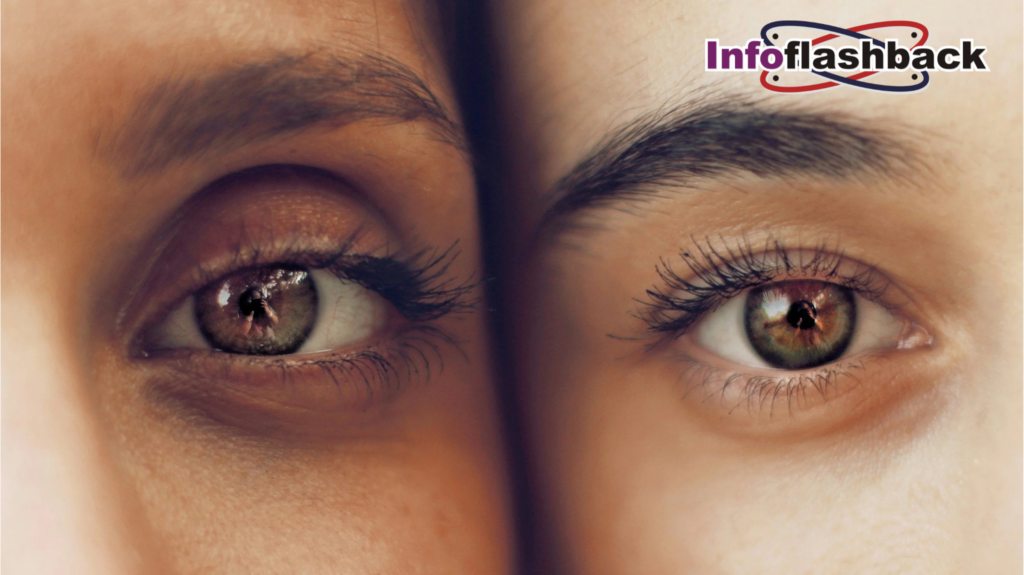

Living with hooded eyes is completely normal, and many people are born with this shape. Others develop hooded eyes gradually as the skin around the eyelids becomes softer and less firm with age. No matter how you get them, hooded eyes deserve simple daily care because the skin around this area is thinner, more delicate, and more sensitive than most parts of the face. A few gentle changes in your routine can help you support the health, comfort, and appearance of your eyelids in a natural way. These healthy habits are grounded in long‑standing research on dermatology, eye health, and skin aging, and they are designed for anyone looking to care for their eye area with a calm and realistic approach.
This guide looks closely at how small lifestyle adjustments can help people with hooded eyes feel better and maintain the skin around their eyelids without harsh treatments. Each section focuses on a habit that supports skin resilience, reduces strain, and keeps the eye area looking refreshed.
Keep the Eye Area Hydrated
Moisture plays one of the biggest roles in maintaining healthy skin, especially around the eyes. Dermatology research shows that the eyelid area is among the thinnest layers of skin on the face, which means it loses moisture quickly. People with hooded eyes often notice dryness or creasing faster because the upper lid naturally folds, which can create friction and tension on the skin.
Using a gentle eye cream or a hydrating gel can help restore moisture. Look for ingredients known for supporting thin skin, such as hyaluronic acid, glycerin, and ceramides. These ingredients help the skin hold onto water, making the eyelids feel more comfortable and smooth. Some people prefer natural options like aloe gel or cold cucumber slices, which offer moderate hydration and a soothing effect. Consistency matters more than brand strength. A small layer applied morning and night can help protect the area from daily dryness and environmental changes.
Use Sunscreen Around the Eyes
Sun protection is one of the most important steps for long‑term eyelid health. Studies on skin aging have repeatedly shown that ultraviolet light is a major cause of early wrinkles, pigmentation, and loss of elasticity. This is especially important for hooded eyes, because the naturally folded skin can weaken faster when exposed to regular sunlight.
Finding the right sunscreen for the eye area requires a little care. Heavy or fragranced products can irritate the eyes. A lightweight mineral formula, particularly one with zinc oxide, can offer strong protection without causing burning or tears. Applying sunscreen around the brow bone and upper cheek helps create a shield without needing to place too much product directly on the eyelid. People who are sensitive to sunscreen can use sunglasses with proper UV protection as an additional layer of defense. When used daily, sun protection helps maintain a firmer, brighter eye area over time.
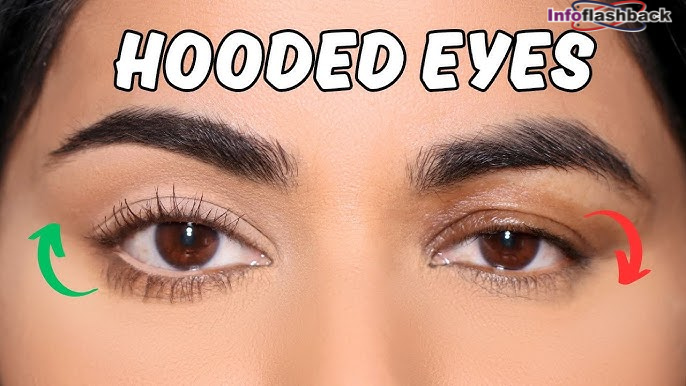
Improve Sleep Habits
Sleep plays a direct role in how your eyes look and feel each day. Lack of rest increases puffiness, dark circles, and eyelid heaviness. This can make hooded eyes appear more tired than usual because the extra fluid and swelling naturally settle on the upper lids.
Improving sleep doesn’t require major changes. Keeping a consistent bedtime helps regulate your internal clock. Dimming lights in the evening tells your body it’s time to slow down. If you work with screens late at night, lowering brightness or using a warm‑light setting can ease eye strain. Drinking enough water during the day and reducing salty snacks at night can also help decrease morning puffiness.
A slightly elevated sleeping position can prevent fluids from gathering around the eyes. Even a small adjustment in pillow height can make a noticeable difference. Better sleep supports overall eye comfort and helps your eyelids feel lighter and less swollen.
Practice Gentle Eyelid Exercises
While heavy physical exercises don’t change eyelid shape, gentle strengthening movements can help support the muscles around your eyes. These muscles naturally weaken as you age, especially for people with hooded eyes, where the eyelid folds can cloud eyelid control over time.
Simple exercises include slowly closing your eyes and gently lifting your brows while keeping the lids shut. Another easy movement is to focus on a distant object for a few seconds, then shift your gaze to something close. This helps maintain eye flexibility and reduces the strain caused by long periods of screen use.
These exercises are not meant to lift the eyelids dramatically but to keep the surrounding muscles active. The goal is comfort, not drastic change. With steady practice, many people notice a slight reduction in tiredness and heaviness around the eyes.
Reduce Eye Strain From Screens
Digital strain affects almost everyone today, but people with hooded eyes often feel it more quickly because the upper eyelid can create extra shadow and weight. Spending hours in front of screens can cause dry eyes, headaches, and blurred vision. Over time, this strain contributes to puffiness and fatigue around the eyelids.
You can reduce digital strain by following the 20‑20‑20 rule: every 20 minutes, look at something 20 feet away for 20 seconds. This simple habit relaxes your eye muscles and gives your eyelids a break. Adjusting screen brightness to match the lighting in your room helps reduce glare, which is a common source of strain. Adding a humidifier to your workspace can help prevent dryness, especially if you spend long hours indoors.
Your posture also matters. Keeping your screen at eye level prevents you from raising or tightening your brows unnecessarily. This helps prevent tension around the eyelid area.
Support Your Diet With Eye‑Friendly Nutrients
Your food choices affect your skin health, vision, and the overall strength of the tissues around your eyes. Nutritional studies highlight several vitamins that support eye function and skin resilience. Vitamins A, C, and E are known for their role in skin repair, collagen production, and protection from oxidative stress. These nutrients are especially useful for people with hooded eyes, since thin eyelid skin benefits from consistent support.
Foods like leafy greens, berries, fish rich in omega‑3s, carrots, eggs, and nuts help nourish the eye area from within. Omega‑3 fatty acids help reduce inflammation and dryness. Vitamin C supports collagen formation, which keeps the skin firmness intact. Hydration also matters here, as water helps maintain healthy skin elasticity and reduces the appearance of heaviness in the eyelids.
Eating eye‑friendly foods does not deliver sudden visible changes, but the benefits build gradually. Over time, your eye area will feel fresher and more balanced.
Use Cold Compresses for Puffiness
Cold therapy has long been used to reduce swelling and soothe irritated skin. For people with hooded eyes, puffiness can make the eyelid fold appear heavier. Applying a cold compress helps constrict blood vessels, reduce swelling, and give the eyelids a brighter appearance.
A clean, chilled cloth, cold spoon, or gel eye mask works well. You only need to apply it for a few minutes. Cold compresses are especially helpful in the morning when puffiness tends to be more noticeable. Some people use green tea bags that have been chilled, since tea contains natural antioxidants that benefit the skin. The goal is not to freeze the area but to provide a gentle cooling effect that relaxes the eyelids.
Choose the Right Eye‑Area Products
Not all eye creams or treatments are suitable for sensitive eyelid skin. People with hooded eyes should look for products that support elasticity and hydration without irritation. Ingredients like peptides, hyaluronic acid, squalane, and niacinamide are widely recommended by dermatology experts for delicate areas.
It’s best to avoid strong fragrances, alcohol‑based formulas, or products meant for thick facial skin. The eye area reacts more quickly to harsh chemicals, which can lead to redness or dryness. When applying any product, use your ring finger to tap gently. This finger naturally applies lighter pressure, which protects the thin eyelid skin. Over time, the right product choice supports healthier, more resilient eyelids.
Conclusion
Caring for hooded eyes doesn’t require dramatic treatment or complicated routines. Most improvements come from simple changes you can keep up with every day. Hydration helps the skin stay smooth and balanced. Sunscreen protects the delicate eyelid area from aging. Better sleep reduces puffiness and heaviness. Gentle exercises support muscle comfort. Reducing screen strain protects your vision and reduces fatigue. Nutritious foods strengthen the eye area from within. Cold compresses offer quick relief from swelling. And choosing the right products keeps your eyelid skin healthy and supported.
These habits work together to create a calmer, healthier experience for your eye area. When you care for your eyes with patience and consistency, you naturally support comfort, confidence, and long‑term well‑being. Even small steps make a meaningful difference when they are done regularly.
you may also read Gifts for Mom: 12 Perfect Healthy Gift Ideas
FAQs
1. Are hooded eyes a health concern?
No, hooded eyes are usually just a natural eye shape. They only become a concern if you notice sudden heaviness, swelling, or vision changes. In those cases, checking with an eye specialist is a good idea.
2. Can lifestyle changes improve the look of hooded eyes?
Yes, habits like better sleep, hydration, sun protection, and reducing screen strain can make the eye area look fresher and feel lighter.
3. Do eyelid exercises actually help hooded eyes?
Gentle exercises may improve eyelid control and reduce tension, but results vary from person to person. The key is consistency and keeping the exercises gentle.
4. What products work best for hooded eyes?
Lightweight creams with hydrating and soothing ingredients work well. Avoid heavy formulas that feel greasy, because they can make the eyelids feel heavier.
5. Can makeup help lift the look of hooded eyes?
Yes. Simple techniques like placing eyeshadow higher on the lid or using a thin liner can create a lifted effect. It’s more about placement than the amount of makeup used.