

Flashbacks are one of the most reliable tools writers use to shape character depth, reveal hidden truths and build emotional connection. When readers search for flashback examples, they’re usually looking for real guidance on how to use them without confusing or overwhelming the story. This article covers clear examples, techniques and insights pulled from common storytelling practices so you can use flashbacks with confidence. The goal is to help you strengthen your story rather than disrupt it.
Why Flashbacks Matter
A flashback is a moment when the story steps out of the present timeline and briefly returns to a past event. Writers rely on them because they offer context that cannot always be delivered through dialogue or exposition alone. The best flashback examples show characters at their most vulnerable moments, giving readers insight into why they act the way they do.
When used well, a flashback fits smoothly into the story. It doesn’t feel like a detour. It deepens the reader’s understanding and helps them connect emotionally with the characters. A single flashback can reveal fear, guilt, desire or a simple truth that shapes the entire plot. That is why so many successful stories rely on them.
Different Ways Writers Use Flashbacks
Many writers assume flashbacks are only long scenes from the past, but the strongest flashback examples use a variety of formats. These are the most common approaches:
Full Scene Flashback
This is a complete scene that shifts fully into the past. It gives readers a detailed picture of a defining event. You’ll find this often in stories that explore trauma, turning points or powerful emotional moments.
Memory Snaps
Short, quick, impactful. Memory snaps often appear in fast‑paced stories where the writer doesn’t want to slow down the momentum but still needs to reveal something meaningful.
Sensory Triggers
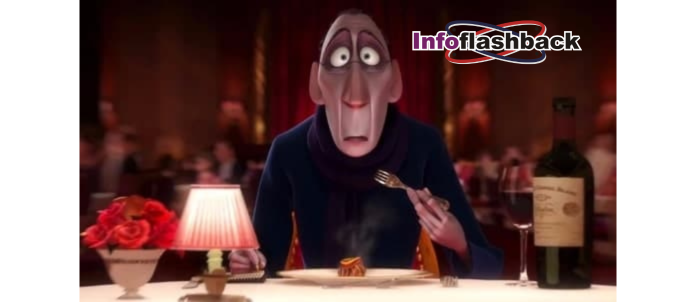
A scent, a piece of music, a texture or an object pushes the character into the past for a moment. Many psychology studies on autobiographical memory show that sensory cues can activate vivid recollections. Writers use this to create smooth transitions into flashbacks.
Dialogue or Confession Flashbacks
Instead of drifting internally into the past, a character tells someone else what happened. These flashbacks provide perspective and emotional tone directly through speech.
Structural Time Jumps
Some stories alternate between timelines. This method works particularly well in novels and shows where the past and present are equally important.
Flashback Examples from Recognizable Story Patterns
To understand how flashbacks strengthen a narrative, it helps to look at common storytelling patterns. These flashback examples reflect common techniques used across novels, films and long‑form storytelling.
A Painful Childhood Moment
A character touches an old toy and remembers the day their parents argued relentlessly. In a single flashback, the reader now understands the character’s adult fear of conflict.
A Detective Revisiting a Clue
The detective remembers an earlier conversation with a suspect. A flashback reveals a line of dialogue that seemed unimportant at the time. This is a classic storytelling move because it lets readers solve the mystery alongside the character.
A Romantic Turning Point
A character remembers the moment a relationship changed. It might be the night someone walked out or the night someone finally said yes. These flashbacks show what’s truly at stake in the present.
A Secret Betrayal
A character once trusted someone deeply. A flashback reveals the moment they were betrayed and explains the character’s guarded behavior. This emotional reveal adds tension without stopping the story.
A Memory That Unlocks the Truth
A flashback shows a scene readers have already seen, but this time with new context. This technique helps story twists feel earned instead of forced.
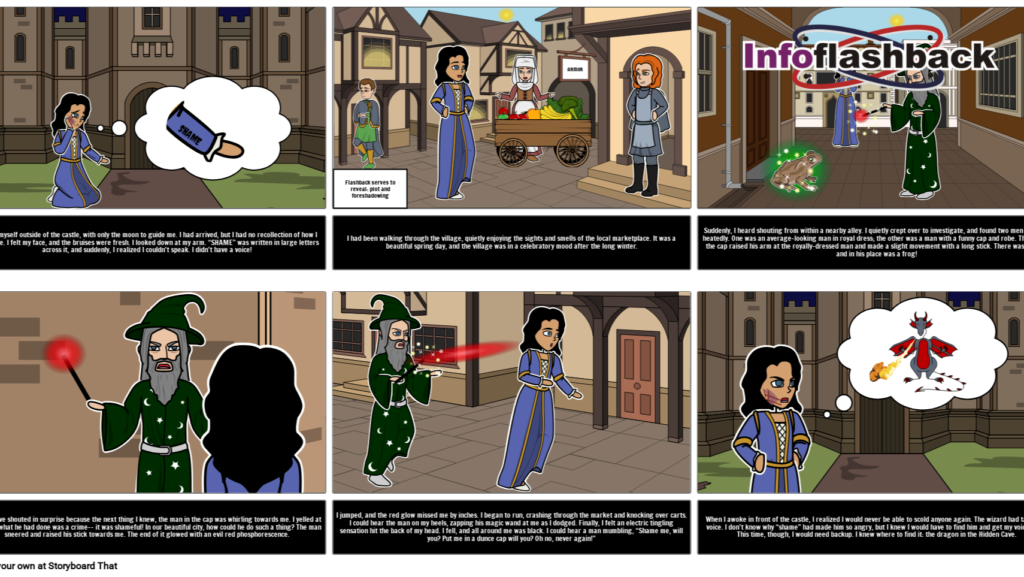
All of these flashback examples demonstrate one idea: a flashback works when it changes the way the reader understands the present.
What These Examples Teach
Every effective flashback, no matter the type, serves a clear story purpose. These patterns highlight a few important principles:
• A flashback must reveal something the present cannot.
• It must connect emotionally to the current moment.
• It needs a clear entrance and exit to prevent confusion.
• It should always deepen character or plot, not simply retell history.
Writers who understand these principles create stories that feel layered and meaningful rather than overwhelming.
How to Write a Strong Flashback
If you want your story to stand out, study flashback examples from different genres and learn how they blend into the present. The tips below will help you make your own flashbacks feel natural.
Start with a Clear Purpose
Ask what the flashback must accomplish. If it doesn’t reveal emotion, motive or conflict, it doesn’t belong in the story.
Use Smooth Transitions
Transitions make or break a flashback. A sensory trigger, a line of dialogue or a moment of silence can guide the reader cleanly into the past.
Keep It Focused
A strong flashback centers on one idea. Too many details weaken the memory and drain the emotion.
Show Emotion, Not Just Events
Readers connect more with how the character felt than what they saw. Emotion drives impact.
Return to the Present with Meaning
Once the flashback ends, show how it affects the character now. This is the key to making the flashback matter.
Common Flashback Mistakes
Even experienced writers make mistakes when working with flashbacks. Here are the most common errors to watch out for:
Dragging the Flashback Too Long
If a flashback runs too long, readers may lose interest in the current storyline. A tight memory is usually stronger.
Using Flashbacks Only for Exposition
Flashbacks should not read like info‑dumps. They need emotional stakes.
Confusing Time Shifts
Without clear signals, readers get lost. This can break the flow of the story.
Repeating the Same Memory
If the reader already understands the memory, repeating it without new insight feels unnecessary.
By avoiding these mistakes, your flashbacks will stay engaging and purposeful.
Flashback Templates Writers Can Use
These quick templates help you build the kind of scenes readers remember. They are built from the structure behind many strong flashback examples in storytelling.
Emotional Reveal
- Present-day moment triggers emotion
- Sensory cue leads to memory
- Flashback reveals emotional cause
- Present continues with a shift in character behavior
Mystery Reveal
- Character discovers a new detail
- Flashback replays earlier scene
- Reader notices what changed
- Present moves toward resolution
Motivation or Fear Reveal
- Character hesitates in present
- Flashback explains root cause
- Present timeline moves forward with new depth
Healing or Trauma Flashback
- Present pain triggers memory
- Flashback reveals key moment
- Return to present with emotional growth or tension
These templates keep your storytelling organized while still allowing freedom in tone and creativity.
Conclusion
Flashbacks are powerful because they show the story beneath the story. They reveal truth, history, conflict and emotion in a way that simple exposition can’t. The best flashback examples prove that a well‑placed memory can change how readers interpret every moment that follows. When used with intention, flashbacks help you create deeper characters, stronger emotions and more satisfying plots