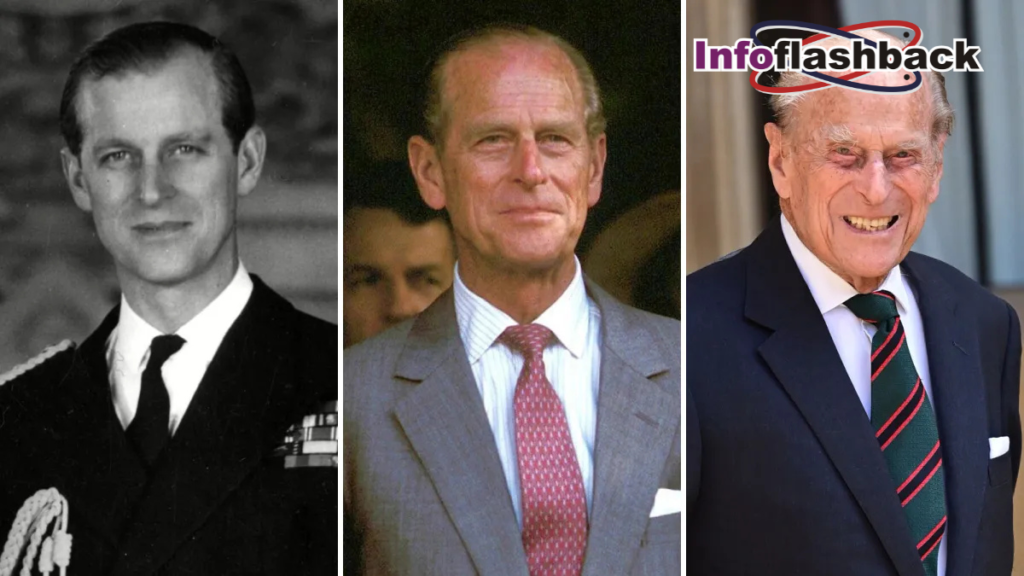

Understanding young Prince Philip is essential to understanding the man who later became one of the most enduring figures in modern royal history. Long before public duty, ceremonies, and decades beside Queen Elizabeth II, Philip’s character was shaped by instability, loss, discipline, and self reliance. His early life was not sheltered or predictable. Instead, it was marked by displacement, fractured family ties, and the need to grow up faster than most boys of his generation.
This article explores the formative years of young Prince Philip and how those experiences shaped his values, resilience, and lifelong approach to duty. By looking closely at his childhood, education, and early career, we gain a deeper understanding of how hardship forged a strong and often misunderstood royal figure.
Royal Birth Into an Unstable World
Young Prince Philip was born on June 10, 1921, on the Greek island of Corfu. He was born a prince of both Greece and Denmark, a member of the House of Glücksburg. On paper, his birth placed him firmly within European royalty. In reality, his early life was anything but secure.
Greece at the time was politically fragile. The monarchy faced opposition, and national unrest was common. Philip’s father, Prince Andrew of Greece, was an army officer whose career would soon be derailed by political turmoil. His mother, Princess Alice of Battenberg, was deeply religious and emotionally sensitive, traits that would later affect family stability.
From the very beginning, young Prince Philip was born into a world where royal titles offered little protection from upheaval.
Exile From Greece at Infancy
When Philip was barely eighteen months old, his family was forced into exile following a military coup in Greece. His father was arrested, tried, and narrowly escaped execution. The family fled the country aboard a British warship.
One of the most repeated and telling stories of young Prince Philip’s life is that he was carried out of Greece in a makeshift crib fashioned from an orange box. While often retold, this detail captures the reality of his earliest experience: sudden displacement and loss of home.
Exile meant more than leaving a country. It meant losing status, financial security, and a sense of belonging. From infancy, Philip’s life was shaped by uncertainty.
A Fragmented Family Life
As Philip grew older, his family life became increasingly fractured. His parents separated emotionally and physically. His mother suffered a severe mental health breakdown and was institutionalized when Philip was still a child. His father moved to the south of France, largely absent from his son’s upbringing.
Philip’s four older sisters married German princes and moved away, leaving him effectively alone. By the time he was a young boy, he had no permanent home and no stable parental presence.
This absence forced young Prince Philip to develop independence early. Rather than being nurtured by close family bonds, he learned to rely on himself, a trait that would define him throughout his life.
Education Across Borders
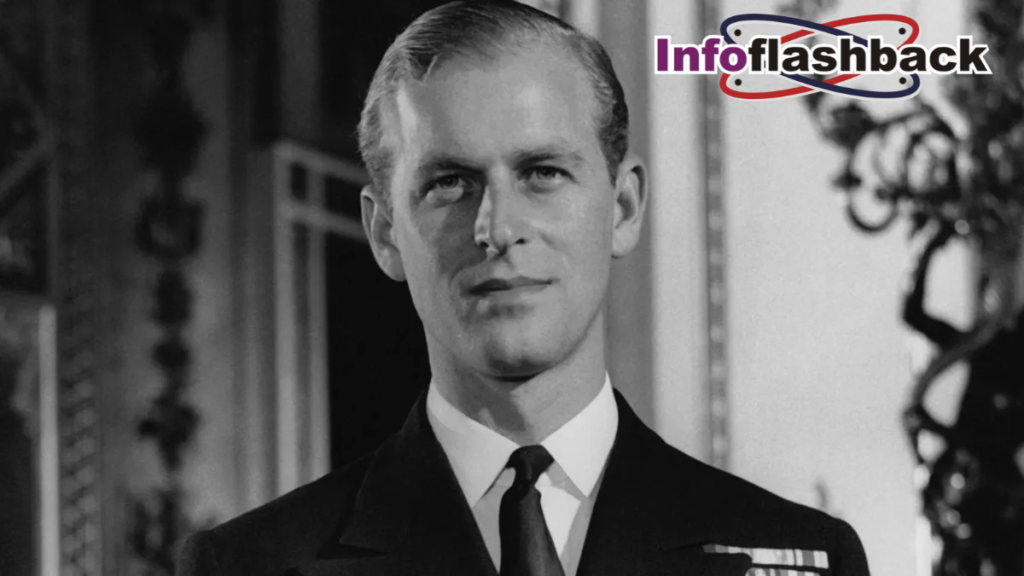
Philip’s education reflected his unsettled childhood. He attended schools in France, Germany, and later Britain. Each move exposed him to different cultures, languages, and expectations.
In Germany, he attended Schule Schloss Salem, a progressive boarding school that emphasized discipline, physical fitness, and character development. However, the rise of Nazism and the school’s Jewish leadership forced Philip to leave.
These constant changes were disruptive, but they also broadened his worldview. Young Prince Philip learned to adapt quickly, observe carefully, and keep emotional distance. These qualities later shaped his public demeanor.
Gordonstoun and the Formation of Discipline
Philip’s most defining educational experience came at Gordonstoun School in Scotland. The school’s philosophy centered on physical endurance, moral responsibility, and self discipline. Life there was intentionally challenging.
Students were expected to participate in cold swims, long hikes, and demanding routines. For many, Gordonstoun was harsh. For young Prince Philip, it provided structure and purpose.
He thrived in an environment where effort mattered more than privilege. The school reinforced values he already understood instinctively: resilience, responsibility, and personal accountability. Philip would later credit Gordonstoun for shaping his approach to life and leadership.
The Influence of Lord Mountbatten
One of the most important figures in young Prince Philip’s life was his uncle, Lord Louis Mountbatten. Mountbatten became a mentor, guardian, and father figure during Philip’s adolescence.
Mountbatten introduced Philip to the expectations of royal service and public life. He also provided guidance, encouragement, and a sense of belonging that Philip lacked elsewhere.
Under Mountbatten’s influence, Philip learned how power, diplomacy, and responsibility intersected. This relationship helped bridge the gap between Philip’s isolated youth and his eventual role within the British royal family.
Finding Purpose in the Royal Navy
For young Prince Philip, joining the Royal Navy was transformative. It offered structure, camaraderie, and a clear path forward. Naval life rewarded competence, discipline, and leadership rather than background alone.
Philip entered naval training during the Second World War, a period that demanded seriousness and commitment. He served with distinction, earning respect through ability rather than title.
The Navy gave Philip something he had long lacked: identity rooted in service. It reinforced his belief in duty, loyalty, and professionalism, values that stayed with him for the rest of his life.
First Encounters With Princess Elizabeth
Philip first met Princess Elizabeth when she was thirteen and he was eighteen. Their early meetings were formal, but Philip’s confidence, intelligence, and independence left an impression.
Unlike many royal suitors, young Prince Philip was not overawed by status. His life experience had already stripped away illusions about privilege. This made him different and appealing.
Their correspondence grew during the war years, and their bond deepened gradually. Philip’s character, shaped by hardship, stood in contrast to Elizabeth’s more protected upbringing, creating a balance that would later define their partnership.
Values Forged in Youth
By the time Philip reached adulthood, his values were firmly formed. Independence came from necessity. Emotional restraint came from loss. Loyalty came from the few relationships he could rely on.
Young Prince Philip learned that survival depended on adaptability. He valued honesty, effort, and endurance. He distrusted sentimentality and preferred action over words.
These traits sometimes made him appear distant or blunt in later life. Yet they were the direct result of a childhood that demanded strength over softness.
Preparing for a Lifetime of Duty
Philip’s transition into royal life required sacrifice. To marry Elizabeth, he gave up his Greek and Danish titles and became a British citizen. This decision reflected a pattern established early in his life: choosing duty over comfort.
His youth had prepared him for a supporting role rather than personal ambition. Years of instability had taught him that service gave meaning to life.
When Philip finally stepped into public life as the Duke of Edinburgh, he brought with him the discipline, resilience, and realism shaped during his early years.
Conclusion
The story of young Prince Philip is not one of privilege alone. It is a story of exile, loss, discipline, and self creation. His early life was marked by challenges that would have overwhelmed many, yet those very challenges forged his strength of character.
Understanding these formative years allows us to see Prince Philip not just as a royal figure, but as a man shaped by adversity. His legacy is inseparable from the difficult years that defined him, years that taught him resilience, duty, and the value of perseverance.
In looking back at young Prince Philip, we gain insight into how character is often forged not in comfort, but in endurance.
you may also read: Normal People Season 2: A Quiet Love Story Fans Are Still Waiting For
FAQs
Why was Prince Philip’s childhood considered difficult?
Prince Philip’s early years included exile from Greece, the separation of his parents, and long periods without a permanent home. These challenges forced him to mature early and rely on discipline rather than comfort.
How did education influence young Prince Philip’s character?
Attending schools in several countries, especially Gordonstoun in Scotland, helped Philip develop self discipline, physical endurance, and leadership. These experiences played a key role in shaping his lifelong values.
What role did the Royal Navy play in Prince Philip’s early life?
The Royal Navy gave young Prince Philip structure, purpose, and a sense of belonging. His naval service strengthened his commitment to duty and reinforced the importance of merit and responsibility.
How did young Prince Philip meet Queen Elizabeth?
Prince Philip first met Princess Elizabeth while he was a naval cadet. Their early connection grew through correspondence during the war years, eventually leading to a lifelong partnership built on shared duty and respect.