
The internet has a strange way of turning serious moments into jokes. Over time, memes have become more than entertainment. They are now a language people use to explain stress, fear, and emotional overload. One example that keeps resurfacing online is the vietnam war flashback meme.
At first glance, it looks simple. A photo, a short caption, and a dramatic reaction. But behind it sits decades of history, pop culture influence, and the internet’s complicated relationship with trauma. What started as a reference to war movies slowly became a widely used expression for anxiety, panic, or sudden memories triggered by everyday situations.
Understanding why this meme exists requires more than scrolling past it. It means looking at how history, humor, and online culture intersect in unexpected ways.
What Is the Vietnam War Flashback Meme
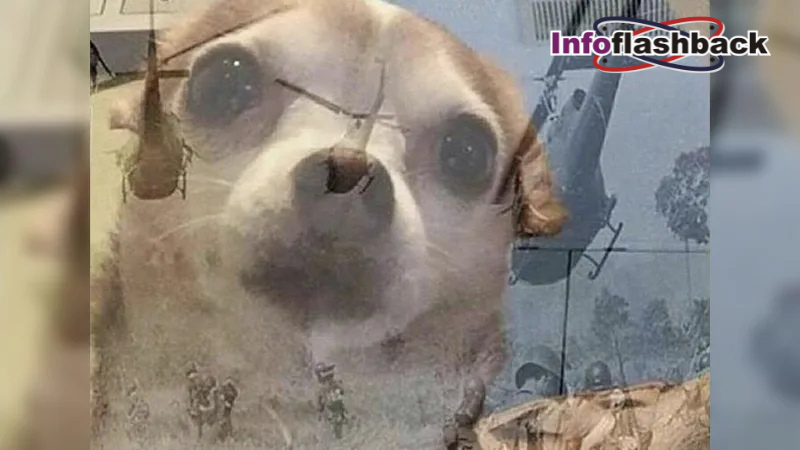
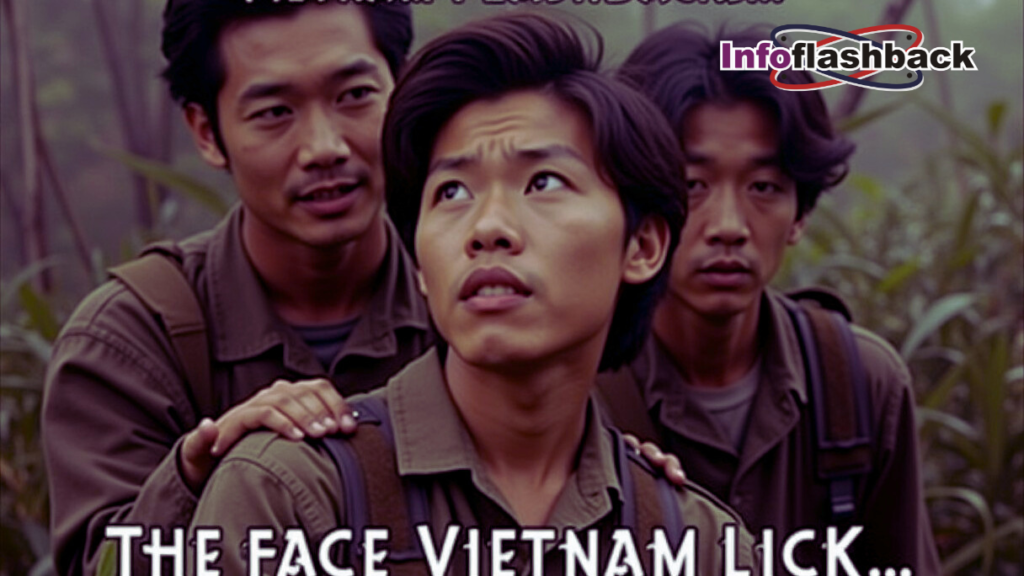
The vietnam war flashback meme usually shows a person reacting in shock or fear, often paired with captions suggesting sudden traumatic memories. The joke exaggerates a moment when something small reminds someone of an intense past experience.
Most versions do not reference real events directly. Instead, they borrow the idea of a “flashback” commonly seen in war films. Loud noises, helicopters, fireworks, or sudden movements are portrayed as triggers that send someone mentally back to combat.
Over time, the meme became shorthand for emotional overload. People now use it to describe panic attacks, stress at work, or even awkward social moments. The historical reference remains, but the meaning has expanded.
Where the Meme Originally Came From
The roots of this meme trace back to American pop culture rather than the internet itself. Films like Apocalypse Now, Platoon, Full Metal Jacket, and Forrest Gump shaped how the Vietnam War was portrayed to later generations.
These movies often showed soldiers experiencing intense psychological reactions long after combat ended. Sudden sounds or visuals would trigger powerful memories. These scenes became iconic and deeply emotional.
As meme culture evolved in the 2000s and early 2010s, users began referencing those dramatic moments ironically. Online forums like Reddit, 4chan, and early meme pages adapted war imagery into exaggerated humor.
That is where the vietnam war flashback meme began to form its recognizable structure.
How Flashback Humor Entered Internet Language
The internet thrives on exaggeration. A mild inconvenience becomes “trauma.” A bad day becomes “emotional damage.” This pattern created a shared language of overreaction.
Flashback jokes fit perfectly into this culture. They allowed people to say, “This moment overwhelmed me,” without explaining emotions directly. Humor became a shortcut.
Instead of openly talking about anxiety or stress, users relied on memes to communicate feelings indirectly. The flashback format was dramatic enough to be funny, yet relatable enough to resonate.
This balance helped the meme spread far beyond its original context.
The Role of Dark Humor Online
Dark humor has always existed, long before social media. What changed is how quickly it now travels.
Online spaces encourage humor that pushes boundaries. People often laugh not because something is funny, but because it feels uncomfortable. Dark humor creates emotional release by confronting fear indirectly.
The vietnam war flashback meme sits firmly in this category. It mixes historical seriousness with everyday humor. That contrast is exactly what makes it work online.
Psychologists have noted that humor can act as a coping mechanism. Studies published by organizations such as the American Psychological Association have discussed how people often use humor to regulate stress and emotional pressure.
In digital culture, memes have become one of the most common outlets for that behavior.
Why the Vietnam War Became a Symbol
The Vietnam War holds a unique place in modern history. It was one of the first wars widely broadcast on television. Graphic footage entered living rooms, shaping public perception in real time.
Because of this exposure, the war became strongly associated with trauma, confusion, and psychological damage rather than victory. Veterans returned home struggling with what is now recognized as post traumatic stress disorder.
Over decades, that image became deeply embedded in popular culture. Even people born long after the war understand its emotional weight.
When internet users reference Vietnam in memes, they are often referencing that cultural memory rather than historical facts. The war has become a symbol of extreme mental stress.
How Social Media Accelerated the Meme
Platforms like Reddit, TikTok, Instagram, and X played a major role in turning this joke into a recurring trend.
Short video formats made exaggerated reactions more powerful. A single sound effect or facial expression could instantly communicate a “flashback” moment. Algorithms rewarded content that triggered emotional reactions, whether laughter or discomfort.
As users remixed old formats into new situations, the vietnam war flashback meme became flexible. It could apply to exams, work pressure, loud neighbors, or embarrassing memories.
Its adaptability helped it survive while other meme trends faded.
Why Younger Generations Use It Differently
Most people sharing this meme today did not experience the Vietnam War directly. Their understanding comes from movies, documentaries, and internet culture.
This distance changes how history is processed. Younger generations often interact with serious events through symbolism rather than lived memory.
For them, the meme is less about the war itself and more about emotional intensity. It becomes a metaphor rather than a reference.
This does not always mean disrespect. Often, it reflects how digital natives communicate emotion in a fast, visual world.
The Debate Around Sensitivity
Not everyone is comfortable with this type of humor. Some veterans and families feel that using war trauma as a joke crosses an ethical line.
Critics argue that turning real suffering into memes risks minimizing lived experiences. They point out that post traumatic stress disorder is not a punchline.
Supporters counter that most memes are not mocking soldiers but expressing personal stress through exaggerated imagery. The intent, they argue, matters.
This debate continues, highlighting the broader tension between free expression and historical sensitivity online.
When Context Changes Everything
Context determines whether a meme feels humorous or offensive. A post shared among friends may feel harmless. The same image shared publicly without explanation can feel cruel.
The vietnam war flashback meme often walks this line. Used casually, it may seem like internet slang. Used carelessly, it can appear dismissive of real trauma.
This is one reason the meme repeatedly sparks discussion whenever it trends again.
The Psychology Behind Trauma Memes
Research into humor psychology suggests that people often laugh at dark subjects because it gives them a sense of control. Humor reframes fear into something manageable.
According to studies published in journals such as Psychological Science, humor can reduce emotional intensity by creating distance between the individual and the stressor.
Memes perform this function visually and instantly. They turn complex emotions into shared experiences.
In that sense, the meme acts less as a joke and more as emotional shorthand.
Why the Meme Keeps Returning
Some memes disappear within weeks. Others return again and again. This one falls into the second category.
Flashback humor resurfaces during times of stress. Global uncertainty, economic pressure, exams, or social anxiety all make exaggerated reactions feel relatable.
Because the format is simple and flexible, creators can easily adapt it to new situations. As long as people feel overwhelmed, the structure remains relevant.
That is why the vietnam war flashback meme never truly fades. It goes quiet, then reappears when emotional tension rises online.
Influence of Film and Media References
Movies continue to reinforce this imagery. Scenes involving helicopters, jungle settings, or sudden panic remain instantly recognizable.
Even newer content often borrows from older films. Video games, parody videos, and online edits reuse the same visual language.
This constant recycling keeps the reference alive even for people unfamiliar with the original context.
Pop culture acts as a bridge between history and modern humor.
How Memes Reflect Internet Culture Today
This meme reveals something deeper about online communication. People now express feelings through references rather than explanation.
Instead of saying “I’m overwhelmed,” someone posts a meme. Instead of describing anxiety, they share a joke.
This does not mean emotions are shallow. It means expression has changed.
The internet favors speed, recognition, and relatability. Memes provide all three.
The Thin Line Between Humor and History
The challenge lies in remembering that humor does not erase reality. Behind every reference sits a real historical event with lasting impact.
Understanding this balance helps explain why the meme feels both funny and uncomfortable at the same time.
That discomfort is part of its power.
What This Meme Ultimately Represents
At its core, the vietnam war flashback meme is not really about the war. It is about human reactions to stress.
It reflects how people today struggle to articulate emotional overload. Humor becomes a safe way to say, “This moment is too much.”
The meme is imperfect. It raises valid concerns. But it also highlights how digital culture tries to process difficult feelings collectively.
Conclusion
The rise of the vietnam war flashback meme shows how history, psychology, and internet culture intertwine. What began as cinematic imagery transformed into a modern emotional expression.
Its continued presence online reveals how humor evolves when people need relief. At the same time, it reminds us that context and awareness matter.
Memes may feel light, but the ideas behind them are often deeply human. In that sense, this trend is less about making fun of the past and more about how people cope with the present.
you may also read: Why the NYT Flashback Quiz Is My Favorite Daily Brain Break
FAQs
What is the vietnam war flashback meme?
The vietnam war flashback meme is an internet joke used to show exaggerated reactions to stress or sudden memories. It usually represents emotional overload rather than real war events.
Why did this meme become popular online?
It became popular because people relate to sudden panic or stress moments. The dramatic format makes emotions easy to express in a humorous way.
Is the vietnam war flashback meme meant to be offensive?
Most of the time, it is not created to mock soldiers or history. However, interpretation depends on context and how the meme is used.
Why do younger people share this meme so often?
Younger generations connect with it as a symbol of anxiety or pressure. For many, it works as emotional expression rather than historical commentary.
Why does this meme keep coming back every few years?
The format stays relevant because stress and emotional overload never disappear. When online pressure increases, flashback-style humor returns naturally.