

Introduction
Taxila stone has held a steady place in South Asian architecture for centuries. Even today it continues to influence design choices because of its durability, color range, and cultural weight. This stone is closely tied to the ancient city of Taxila, a region in modern‑day Pakistan known for its archaeological importance and long tradition of craftsmanship. Builders, architects, and artists value it not only for practical use but also for the history attached to it. Understanding why this stone still matters requires looking at where it comes from, how it is formed, what makes it unique, and why people continue to rely on it for both traditional and modern projects.
Origins and Geological Background
Taxila stone is sourced from areas around the historic Taxila valley, a place that once connected major civilizations from Central Asia to the Indian subcontinent. The stone itself is often a type of limestone or sandstone, depending on the quarry site. Geological studies from the Pakistan Museum of Natural History and research published through the Department of Geology at the University of Peshawar highlight that these deposits formed over millions of years through the slow compression of minerals, shells, and sediment layers.
This natural formation process explains why the stone displays such consistent texture and strength. The mineral composition also contributes to the soft beige, grey, and warm earthy tones that many architects appreciate. Its structure makes it strong enough for flooring and exterior walls yet workable enough for detailed stone carving, a combination that has made it a favorite since ancient times.
Historical Significance of Taxila
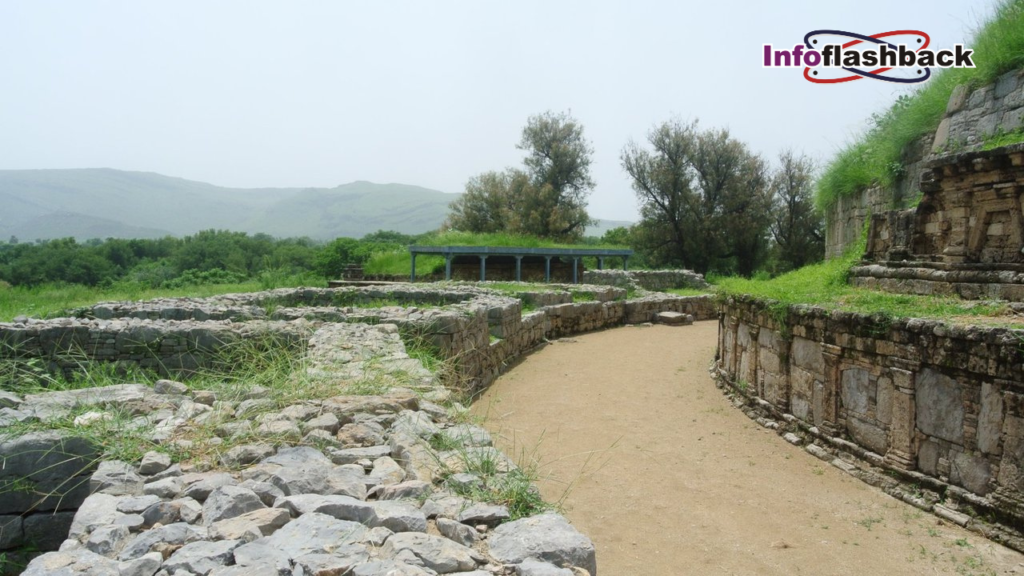
Taxila itself is recognized by UNESCO as a World Heritage Site. The region has served as a cultural crossroad for more than 2,000 years. It hosted Persian, Greek, Mauryan, Kushan, and Gandhara influences. The Buddhist monasteries, stupas, sculptures, and homes in this area often used stone from nearby quarries, which is one of the reasons Taxila stone is wrapped in a sense of historical continuity.
Archaeologists from UNESCO and the Department of Archaeology of Pakistan have documented that Taxila stone was used to build structures like the Dharmarajika Stupa, Jaulian Monastery, and Sirkap city walls. These sites emphasize durability because many structures have survived earthquakes, erosion, and centuries of weathering. When modern builders choose this stone, they often point to this long record as part of its appeal.

Why Taxila Stone Stands Out
There are several characteristics that make Taxila stone distinct:
A Natural, Timeless Look
Designers often prefer materials that age well, and Taxila stone fits that need. Its colors stay consistent over time with only light weathering. The surface has a soft, natural appearance that works well in both indoor and outdoor environments. Its neutral tones complement wood, brick, metal, and concrete, which gives it flexibility across design styles.
Durability and Strength
Laboratory testing from geological institutes in Pakistan shows that mature limestone and sandstone from this region have solid compression strength compared to many other natural stones. This is one reason builders used it for temple floors and city foundations in ancient Taxila. The stone performs well in hot climates and resists cracking under moderate temperature changes.
Workability for Craft and Art
Even though it is strong, Taxila stone can be carved with traditional hand tools. This quality made it ideal for Gandhara art, which often featured detailed carvings, relief work, and sculpture. Modern sculptors still value it for the same reason. Its slightly porous surface holds fine details without chipping too easily. Local artisans around Taxila continue to create decorative pieces from it for both local markets and export.
Environmental and Local Availability
Because Taxila stone is quarried locally within the region, projects that use it often have a smaller transportation footprint than imported stone. Local availability also means more consistent supply and color matching when large batches are needed. Many builders choose it for restoration work or cultural projects for this reason alone.
Modern Uses of Taxila Stone
Although ancient sites showcase its historical role, Taxila stone remains a practical choice in modern construction. Builders and homeowners use it for:
Flooring
Its texture offers a firm walking surface without being slippery. It works well in entranceways, courtyards, and patios. Many homeowners choose it for flooring because it stays cool under foot, which is ideal in warm climates.
Exterior Cladding
Modern architects often apply Taxila stone to exterior walls to add a natural look. The stone also acts as a protective layer, which can give a building better insulation and longer life. Many commercial buildings in Islamabad and Rawalpindi use it because it handles weather changes well.
Landscaping
Garden designers use Taxila stone for pathways, edging, retaining walls, and water features. Its natural texture blends easily with plants, wood, and soil. It also ages gracefully outdoors, so it does not look worn out after a few rainy seasons.
Interior Design
Polished slabs are used for countertops, staircases, fireplaces, and accent walls. The soft tones create a calm atmosphere and pair well with both traditional and modern décor. Designers sometimes use it as a feature wall to add depth to a room without overwhelming the space.
Cultural and Restoration Projects
Taxila stone is often required for restoring heritage sites in the region. Conservation teams prefer using the same material originally used in the ancient structures, which helps preserve visual authenticity and structural integrity.
The Craftsmanship Behind Taxila Stone
Most quarries in the Taxila region operate on a medium scale using a mix of modern machinery and traditional techniques. Cutting, shaping, and finishing are still done by skilled workers who learn the craft through apprenticeship. This hands‑on approach often results in pieces that feel more authentic.
Artisans carve decorative panels, sculptures, ornamental pillars, and other detailed elements by hand. Their work continues the long tradition of stone carving in the Taxila region, which reached its height during the Gandhara period. Many of the same techniques survive today because they allow for precision and artistic control that machines alone cannot match.
Challenges in the Modern Market
Despite its strengths, Taxila stone faces some challenges.
Market Competition
Imported alternatives like Italian marble or engineered stone products sometimes overshadow local materials. These options offer more color variety and polished finishes, which can attract customers looking for ultra‑modern designs.
Quality Variation
Because different quarries produce slightly different textures and densities, buyers need to work with reputable suppliers who can ensure consistent quality. Experts often recommend visiting the quarry or requesting samples before placing large orders.
Environmental Concerns
Sustainable quarrying is an ongoing topic in the region. Researchers and environmental groups emphasize the need for controlled extraction to avoid long-term damage to landscapes. Some local quarries have begun following updated environmental guidelines, but there is still room for improvement.
How to Choose the Right Taxila Stone
If you plan to use Taxila stone for a project, there are a few factors worth considering:
Color and Texture
Check samples in both natural and artificial light. Some pieces appear slightly different under indoor lighting. Choose the shade that blends well with your overall design.
Finish Options
The stone can be polished, honed, brushed, or left natural. Polished finishes work best indoors, while natural finishes are great for outdoor or rustic designs.
Thickness and Size
For flooring, thickness matters for durability. For cladding, weight matters for installation. A good supplier will guide you based on how you plan to use it.
Supplier Reliability
Reputable suppliers provide consistent batches, clear sourcing information, and proper cutting and finishing. Builders often recommend sourcing from well‑known quarries in the Taxila region.
Why Taxila Stone Still Holds Value Today
People continue choosing Taxila stone because it represents both strength and history. It carries cultural importance that few materials can match. Homeowners appreciate it for its natural look and long life. Designers use it to bring warmth to homes and offices. Builders rely on it for durability and trusted performance.
At the same time, interest in natural materials has risen in global design trends. The appeal of earthy tones, handcrafted work, and eco-conscious choices aligns well with what Taxila stone offers.
Conclusion
Taxila stone stands as a meaningful material shaped by geology, culture, and craftsmanship. Its long presence in South Asian history makes it more than a simple building material. It is a bridge between ancient architecture and modern design. Its durability, warm tones, and versatility give it a place in contemporary projects, while its cultural roots provide depth and character.
For anyone planning a home, office, or artistic project, exploring this stone is worth the effort. It offers reliability grounded in centuries of use and a look that remains timeless. When chosen carefully and used with intention, Taxila stone brings both beauty and heritage into any space.
you may also read: Myrtle Beach Weather in Every Season, Explained Clearly
FAQs
What makes Taxila stone different from other natural stones?
Taxila stone stands out because of its long history, consistent durability, and natural warm tones. It has been used for centuries in the Taxila region, which gives it a blend of cultural and architectural value that many imported stones do not offer.
Is Taxila stone good for outdoor use?
Yes, it handles weather well and stays strong under heat, rain, and regular wear. Its natural texture also blends nicely in gardens, courtyards, and outdoor walkways.
Can Taxila stone be polished for a modern interior look?
It can. Many builders polish it for staircases, countertops, and indoor floors. A polished surface gives it a smooth and modern appearance while keeping its natural character.
Does Taxila stone require special maintenance?
Maintenance is simple. Regular cleaning and occasional sealing help protect the surface and keep the color fresh. It is easier to care for than many softer stones.
Where is Taxila stone usually sourced from?
It comes from quarries around the historic Taxila valley in Pakistan. These quarries have supplied stone for both ancient monuments and modern buildings in the region.